
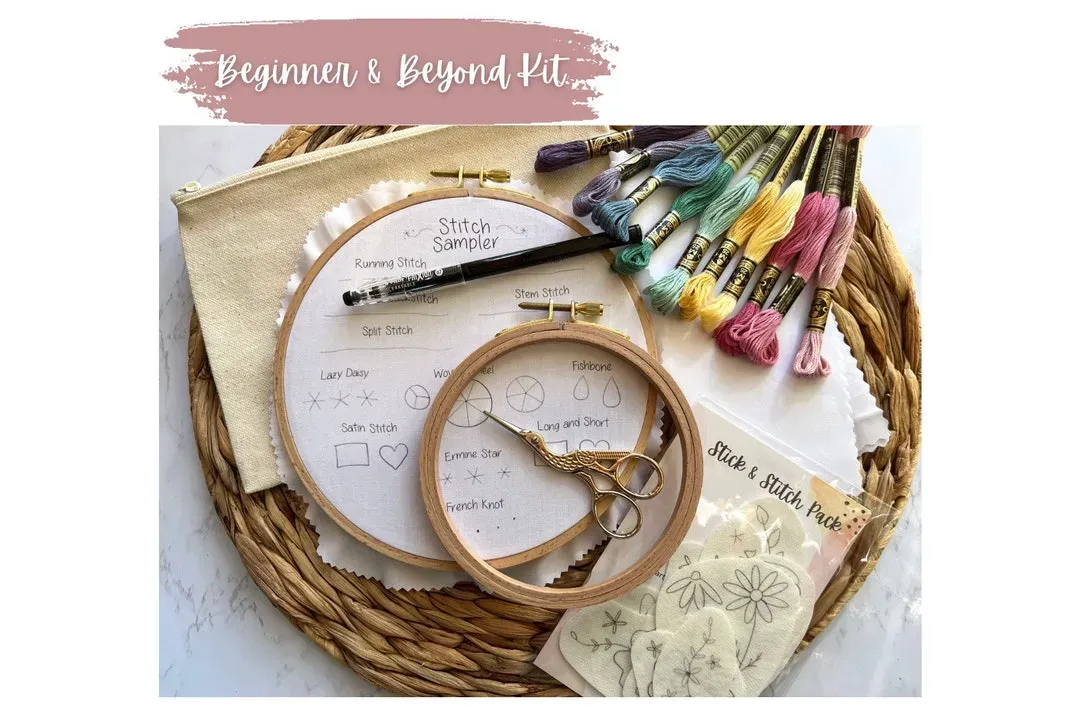
Embroidered Essentials is more than a hobby—it's a portable studio of color, texture, and calm focus for curious beginners. This beginner-friendly guide walks newcomers through the basics of stitches, materials, and simple projects that yield satisfying results. If you’ve ever admired a tiny motif or a bold decorative line on fabric and wished you could recreate it, you’re in the right place to explore beginner embroidery stitches and embroidery basics. By starting with the right tools, mastering a few core stitches, and practicing with manageable projects, you’ll build confidence and see steady progress in your stitching skills. With a calm pace and a small, welcoming setup, your hands will learn and your personal style will begin to shine.
Think of this as hand embroidery that transforms fabric into personal art through color, texture, and careful planning. A beginner-friendly approach to needlework can guide you through fabric choices, thread options, and stitching techniques for beginners. Starting with short, manageable motifs lets you practice tension, spacing, and flow while producing tangible results. By using clear, step-by-step practice, you’ll turn learning into a rewarding routine and build a portfolio that celebrates your growing skills.
Getting Started with Embroidered Essentials: Tools, Setup, and First Steps
Embroidered Essentials invites you to create a portable studio of color, texture, and calm focus. Before you dive into stitches, assemble a compact starter kit: a 4–6 inch embroidery hoop, size 7–9 needles, and a palette of cotton embroidery floss. This is where embroidery basics show up in practice—understanding the right tools makes your first attempts smoother and more enjoyable.
Set up a clean, well-lit workspace, use a water-soluble marker to transfer a simple design, and practice on scraps. By building a small routine around your tools, you’ll ease into beginner embroidery stitches and start to see steady progress as you work through easy embroidery projects and follow an embroidery starter guide.
Mastering the Core Embroidery Stitches: Your Foundation for Confidence
The five stitches outlined in Embroidered Essentials form the backbone of your practice: running stitch, backstitch, satin stitch, stem stitch, and French knot. Mastery of these beginner embroidery stitches gives you control to outline shapes and fill areas with precision.
Practice them on scraps, then begin combining stitches to form small motifs. This is where stitching techniques for beginners come alive—learning to plan tension, spacing, and stitch flow helps you build a repertoire that translates to larger, more complex designs.
Fabric, Thread, and Color Theory: Making Embroidery Basics Colorful and Balanced
Your fabric choice sets the stage for all stitches. A smooth weave like cotton or light linen is forgiving for beginners, and it helps threads behave. In embroidery basics, choosing the right thread—typically two strands of cotton floss for mid‑weight fabrics—lets you achieve clean lines and gentle shading.
Color theory matters: start with a small, cohesive palette and learn to layer highlights and shadows. Transferring designs with light pencil marks or a water‑soluble marker also fits into the embroidery basics approach and helps you plan how colors interact before you stitch.
A Simple Starter Project: Leaf Motif to Build Confidence
A leaf motif is a perfect first project to exercise your core stitches in a cohesive way. It gives you a real design to practice running, backstitch, and satin stitch while staying approachable and satisfying.
Work slowly, focusing on even tension and clean edges. Completing this leaf motif reinforces how Embroidered Essentials translates into tangible progress and sets you up for easy embroidery projects that come next.
Practice Routines and Common Mistakes: Turning Time into Skill (Embroidered Essentials in Action)
A regular practice routine helps you convert short sessions into steady improvement. Try 15–20 minutes a few times weekly, focusing on one stitch at a time while weaving in a couple of others to build muscle memory.
Be aware of common pitfalls such as tension issues, uneven stitch length, and thread fraying. This is where an embroidery starter guide can shine: with deliberate practice, you’ll refine technique and reduce mistakes across beginner embroidery stitches and easy embroidery projects.
Finishing, Care, and Display: Preserving Your Embroidered Essentials Creations
When a piece is complete, secure the final stitches, trim the ends, and care for the fabric. A gentle wash, careful pressing with a cloth, and thoughtful framing or patching helps your work endure and keeps stitches looking neat.
Good finishing and display practices are part of embroidery basics, ensuring your early projects—whether wall art, napkins, or patches—look crisp and stay durable as you continue your stitching journey.
Frequently Asked Questions
What is Embroidered Essentials and who is it for?
Embroidered Essentials is a beginner-friendly guide to embroidery basics, designed as a portable studio of color and calm focus. It walks newcomers through core stitches and simple projects, helping you build confidence from the very first session.
Which beginner embroidery stitches are featured in Embroidered Essentials?
Embroidered Essentials highlights five core beginner embroidery stitches—running stitch, backstitch, satin stitch, stem stitch, and French knot. These form the staple stitching techniques for beginners and can be combined to create small, satisfying motifs.
What tools does Embroidered Essentials recommend for a beginner (embroidery starter guide)?
The guide recommends a small starter kit: a 4–6 inch embroidery hoop, needles size 7–9, cotton embroidery floss, smooth fabric like cotton or linen, sharp scissors, and a marking tool. This aligns with the embroidery starter guide and embroidery basics to set you up for success.
What easy embroidery projects does Embroidered Essentials suggest for beginners?
Easy embroidery projects in Embroidered Essentials include leaf motifs, simple initials, monograms on napkins, and botanical designs on tote bags. These tasks reinforce core stitches while delivering quick, satisfying results.
How can I improve tension and avoid puckering when using Embroidered Essentials?
To improve tension and avoid puckering, ensure the hoop is properly tightened, practice on scraps, and keep stitches even and consistent. Start with the five beginner embroidery stitches to build muscle memory and then focus on stitch length and thread tension.
How does color theory and design transfer work in Embroidered Essentials?
Color theory in Embroidered Essentials encourages a limited palette, thoughtful color layering, and using light colors for highlights with darker tones for outlines and fills. Transfer designs with a light sketch or water-soluble marker, then stitch, as outlined in the embroidery basics and embroidery starter guide.
| Topic | Key Points |
|---|---|
| What is Embroidered Essentials? |
|
| Tools & Materials for Beginners |
|
| Core Stitches for Beginners |
|
| Fabric, Thread, and Color Theory |
|
| A Simple Starter Project: Leaf Motif |
|
| Practicing Regularly: Easy Projects and Routine |
|
| Common Mistakes and How to Avoid Them |
|
| Finishing, Care, and Display |
|
| The Journey Within Embroidered Essentials |
|
Summary
Embroidered Essentials invites beginners to explore a portable studio of color, texture, and calm focus through stitches, materials, and small, satisfying projects. As a beginner-friendly guide, Embroidered Essentials emphasizes practical techniques, steady practice, and mindful creativity, helping you develop confident, even stitches, choose appropriate materials, and complete rewarding starter projects. This descriptive journey highlights the joy of learning, the satisfaction of finished pieces, and the enduring value of patience and practice in embroidery.