
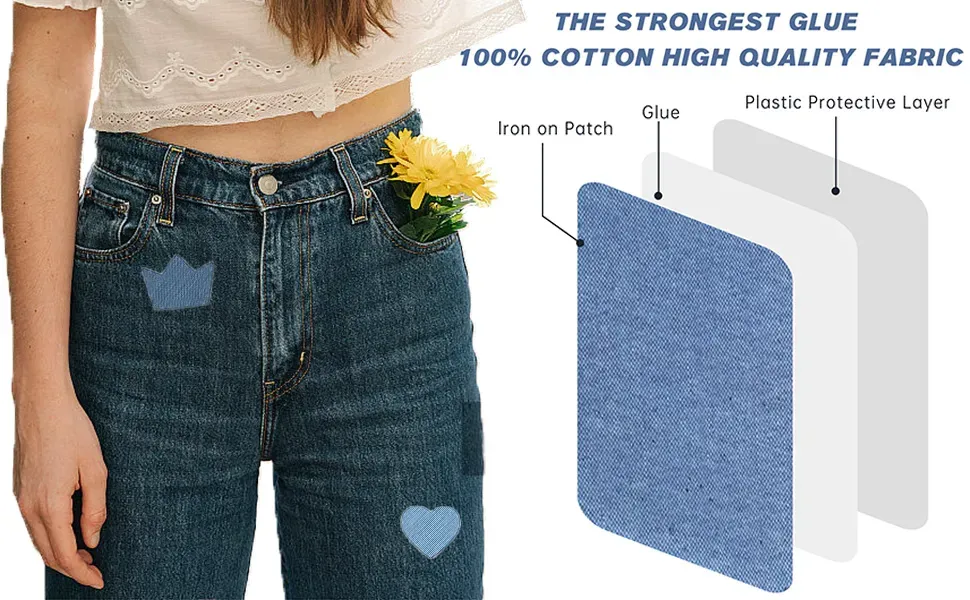
Denim patches provide a simple, stylish way to personalize jeans, jackets, or vests. From patches for denim jackets to embroidered patches for jackets, you can tell a story, honor a band, or revive a faded favorite. Iron-on patches are popular for quick results, as the heat-activated backing bonds to fabric with a few careful presses. If you are wondering how to apply patches on denim, this guide covers prep, placement, and bonding for durable results. With the right patches and layout, you will elevate everyday wear into a boutique-inspired look that stays practical for daily use.
Beyond the exact phrase denim patches, you can think of jean embellishments, fabric appliques, and textile patches that personalize clothing. These decorative add-ons run the gamut from stitched motifs that add texture to woven designs that sit flat against the fabric, helping you express personality while boosting durability. Practically speaking, crafters choose between iron-on and sew-on techniques, weighing the speed of application against long-term resilience. A thoughtful layout, considering color, scale, and placement on a jacket or jeans, transforms a simple upgrade into a cohesive, fashion-forward statement.
Denim Patches 101: Types, Backings, and What Works on Denim
Denim patches are a versatile way to refresh jeans, jackets, and vests. This primer covers the main options—iron-on patches, sew-on patches, and embroidered patches for jackets—and explains how each backing affects durability and washability on denim. When you start with patches for denim jackets, think about compatibility with the fabric weight and the garment's wash to ensure a durable bond.
Beyond aesthetics, material and finish matter: woven patches offer a flat, durable finish; embroidered patches for jackets deliver texture and depth; and backing quality determines how well the patch holds up over time. For denim, larger patches and patchwork layouts tend to read well from a distance, while smaller patches create micro-detail that invites closer inspection.
How to Choose Patches for Denim Jackets: Size, Color, and Theme
Size and scale matter when planning a patch layout. Large patches can serve as a focal point on the back or sleeve, while smaller patches can create a constellation of detail across the chest or cuffs. Pair patches for denim jackets with colors that either harmonize with the denim tone or provide bold contrast to draw the eye.
Before you commit, map your design on paper or with removable pins. Consider a cohesive theme—bands, travel, hobbies—and align your patches with the garment’s color palette for a polished look. This planning ties into how to apply patches on denim, ensuring the final result feels intentional rather than random.
Iron-On vs Sew-On: Getting the Best Bond for Denim Patches
Iron-on patches offer quick, clean results and are popular for beginners or temporary looks. They bond with heat-activated adhesive, so your choice of fabric weight and patch size can affect the strength of the bond on denim. Remember to prep the surface, apply heat evenly, and allow to cool to verify adhesion.
Sew-on patches provide greater longevity on denim, especially after multiple washes or on heavy fabrics. If you expect frequent washing or rough wear, sew-on patches may outperform iron-on options. You can also reinforce edges with a zigzag stitch to prevent fraying and extend their lifespan.
Embroidered Patches for Jackets: Texture, Detail, and Premium Appeal
Embroidered patches for jackets add dimension and premium feel to denim. The stitched designs stay vibrant after washing and tend to read well from a distance, creating a sophisticated or vintage vibe depending on the motif. When selecting embroidered patches for jackets, consider thread colors that complement the base denim rather than overpower it.
Embroidered patches for jackets vary in weight and backing; heavier patches may require stronger application and careful placement. Pair them with simpler patches to avoid visual clutter, especially on smaller surfaces like the front chest area or cuffs. The result should be a balanced mix of texture and color.
Patches for Denim Jackets in Modern Streetwear: Layout, Balance, and Style
Streetwear-influenced denim looks thrive on balanced patch layouts. Aim for a primary focal patch plus a few supporting accents that echo or contrast with the main motif. This approach aligns with using patches for denim jackets to tell a story while keeping the overall silhouette clean.
Start with a trial run using pins or parchment templates to map the layout before heat or sewing. Seasonal updates can refresh the look—swap in new patches or remove aging ones to keep the garment current. This planning mirrors common practice in how to apply patches on denim for reliable results.
Care, Maintenance, and Longevity of Denim Patches: Washing, Drying, and Bond Strength
Care and maintenance are essential to preserve both color vibrancy and bond strength. Air drying or tumble-drying on low heat minimizes patch edges lifting, especially for iron-on patches. Turn the garment inside out when washing to reduce abrasion on patches for denim jackets.
Regular checks for loose edges and stitching help catch wear before patches fail. If you notice peeling or fraying, reseat the patch with re-pressing or resewing as appropriate. Following a mindful washing routine and gentle detergents helps maintain the integrity of denims and patches alike.
Frequently Asked Questions
What are denim patches and why are patches for denim jackets popular?
Denim patches are fabric appliqués that add style, durability, and a personal story to jeans, jackets, or vests. They’re popular because they’re easy to customize with patches for denim jackets, come in iron-on or sew-on options, and can feature embroidered designs for jackets that read well from a distance.
What is the difference between iron-on patches and sew-on patches for denim?
Iron-on patches use a heat-activated adhesive for quick attachment, making them convenient for denim. Sew-on patches require stitching and generally offer longer durability on denim items such as jackets, especially after multiple washes.
How do I apply patches on denim using iron-on backing on denim jackets?
To apply patches on denim with iron-on backing: preheat your iron, place the patch where you want it, cover with a cloth, press firmly for 25–30 seconds (longer for larger patches), and let it cool. For best results, turn the garment inside out and press the back as well, then verify the bond.
Are embroidered patches for jackets good on denim, and how do they hold up?
Embroidered patches for jackets add depth and color with a premium look. On denim, they tend to be durable but heavier, so sew-on backing is often recommended for longevity, especially after frequent washing.
What should I know when choosing patches for denim jackets in terms of size, color, and backing?
Choose patches for denim jackets with careful attention to scale (larger focal patches with smaller accents work well) and color harmony with the denim wash. Consider backing type—iron-on for quick adds or sew-on for durability—and balance the overall layout to avoid crowding.
How should I care for denim patches to extend their life?
Care for denim patches by turning the garment inside out before washing, using a gentle cycle, and avoiding high-heat drying. This helps preserve patch adhesives or threads and keeps embroidered patches for jackets looking vibrant longer.
| Aspect | Key Points |
|---|---|
| Introduction | Denim patches personalize jeans, jackets, or vests and offer an affordable way to refresh pieces, tell a story, or showcase motifs. The guide covers why patches matter, patch types, how to select patches, and practical care for everyday wear. |
| Patch types and backing | Common backing types include iron-on patches (heat-activated adhesive) and sew-on patches (stitching). Embroidered patches add texture and depth; woven patches offer a flat finish with tight stitching. |
| Choosing patches for denim | Consider size relative to surface, color harmony with the denim, and a cohesive theme. Balance bold and subtle patches, align with the garment’s color and wash, and choose materials/backing that suit washing frequency. |
| Patch placement and layout | Start with a focal patch, ensure balance across the garment, layer or space patches intentionally, avoid seams/pockets, and prototype with pins or cutouts before permanent application. |
| Applying patches | Iron-on: preheat iron, position patch, cover with cloth, press firmly (25–60 seconds depending on patch size), cool and re-press for durability. Sew-on: pin in place, sew around edges with matching or contrasting thread, secure ends, and optionally add a zigzag stitch for extra durability. |
| Caring for patched denim | Air-dry or use low-heat drying, turn garments inside out for washing, use mild detergents, and test heat on a small area first. This helps maintain patch adhesion and thread integrity. |
| Common mistakes to avoid | Overloading patches, using low-quality patches, ignoring backing suitability (iron-on vs sew-on), and not testing heat settings before full application. |
| Inspiration and practical takeaways | Start with a cohesive patch set, mix textures (leather, embroidered, woven), refresh patches seasonally, and consider custom designs. Proper planning, quality materials, and careful application help turn denim into a durable, expressive canvas. |
Summary
Concluding thoughts: Denim patches empower wearers to tell personal stories through durable, thoughtfully placed embellishments. By understanding patch types, choosing patches with harmony and purpose, planning layouts, and applying with care, you can elevate denim pieces—from everyday jeans to jackets and vests—into wearable statements that endure repeated washing and wear.