
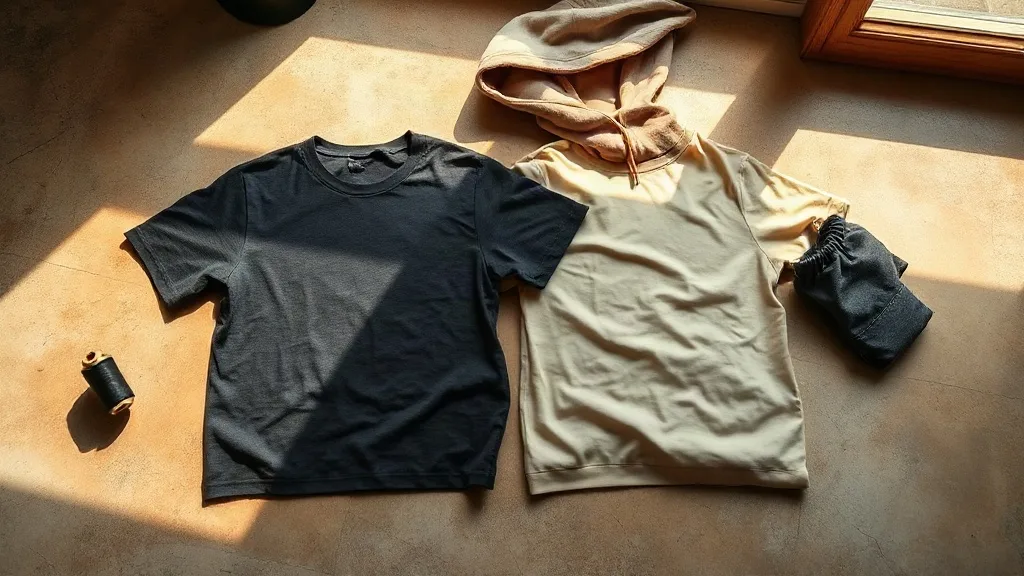
Walk into any print shop that handles volume orders and you will hear the same two names come up again and again: shaka wear and smart blanks. Both have earned loyal followings among decorators, streetwear labels, and promo companies, yet they are not interchangeable. Choosing between them without understanding the differences is how good designs end up on shirts that customers quietly stop wearing.
This guide breaks down what each line actually delivers, where it shines, and how to decide which one belongs in your next run. No hype, just the practical details that matter when you are placing a real order.
Why the Blank You Choose Matters More Than You Think
Most people spend weeks perfecting artwork and five minutes picking a garment. That ratio is backwards. The blank determines how your print looks after the first wash, how the shirt drapes on a body, and whether the customer reaches for it on a Saturday morning or buries it at the bottom of a drawer.
Fabric weight, yarn quality, stitch density, and shrink treatment all live in the garment, not the design. A heavyweight cotton tee with a tight knit will hold a screen print crisp for years. A lightweight, loosely knit blank can distort the same print within a few laundry cycles. This is why decorators who print for resale tend to be picky about their base stock, and why both shaka wear and smart blanks have built reputations on consistency rather than flash.
What Shaka Wear Brings to the Table
Shaka wear built its name on streetwear-adjacent basics with a heavier hand. The lineup leans toward substantial cotton, boxy silhouettes, and a feel that reads closer to boutique apparel than promotional merchandise. If your brand identity involves dropped shoulders, relaxed fits, or that lived-in Southern California aesthetic, this is the territory it occupies.
Fabric and construction
The core tees tend to run in the mid-to-heavyweight range, with dense cotton that resists the see-through problem common in cheaper blanks. Hoodies and fleece carry similar weight, which matters for embroidery in particular: a stable, substantial fabric holds satin stitches and dense fills without puckering. Side-seamed construction on many styles also means the garment keeps its shape instead of twisting after washing.
Where it fits best
- Streetwear drops and small-batch brand releases where silhouette is part of the product
- Embroidered hoodies and heavyweight tees that need to hold dense stitch counts
- Retail-style merchandise where the customer expects a premium hand-feel
- Anyone building a brand around oversized or boxy cuts
One caveat worth knowing: because the fabric is denser, fine detail in screen printing can require a slightly different mesh count than you would use on lighter goods. Experienced printers adjust without much fuss, but it is worth flagging if you are switching from a thinner blank.
What Smart Blanks Does Differently
Smart blanks takes a different approach. The line is built around value and versatility, with a broad catalog that covers tees, tanks, fleece, and performance styles at price points that make sense for volume work. Where Shaka leans into a specific aesthetic, Smart Blanks leans into flexibility.
Fabric and construction
You will find a wider spread of weights here, from lightweight jersey suitable for warm climates and event giveaways to midweight cotton that handles everyday printing well. Ring-spun options deliver a smoother surface that takes fine halftones and detailed DTG output cleanly. The trade-off for that range is that you need to read the spec sheet for each style rather than assuming a uniform feel across the catalog.
Where it fits best
- Large promotional runs where per-unit cost drives the budget
- Team uniforms, event shirts, and staff apparel in mixed sizes
- Retail and resale programs that need a broad size and color matrix
- Test runs and sample packs before committing to a full production order
Head-to-Head: The Details That Decide It
Hand-feel and drape
Shaka generally wins on immediate hand-feel. The cotton feels denser and more substantial out of the box, and the drape suits relaxed fits. Smart Blanks varies by style but covers a wider spectrum, which is an advantage if your product line spans lightweight summer tees and heavier fleece under one brand.
Shrink behavior
Both lines are typically pre-shrunk, but heavyweight cotton always carries some residual shrinkage risk. If exact finished measurements matter, such as for uniform programs, always request a wash test on the specific style rather than trusting general claims. This is standard practice for any decorator doing contract work at scale.
Printability
Screen printing, DTG, and embroidery all behave differently across fabric surfaces. Dense heavyweight cotton gives embroidery a stable foundation. Smoother ring-spun surfaces favor DTG detail. If your shop runs multiple decoration methods, keeping samples of both lines on hand saves a lot of guesswork when a client asks what their logo will look like on each.
Cost and availability
Smart Blanks usually comes in lower on unit cost for comparable basics, which compounds across large orders. Shaka sits higher, justified by the heavier construction and brand positioning. Neither is the wrong answer; the question is whether your customer will notice and pay for the difference.
A Practical Way to Choose
Start with the end use, not the price tag. If the garment is a product in its own right, something a customer buys because of how it looks and feels, go heavier and accept the higher cost. If the garment is a delivery vehicle for a logo at a company event, prioritize fit consistency, size range, and budget per unit.
A useful exercise: order one sample of each in the same color and size, print or embroider the same design on both, and wash them three times. Compare how the print holds, how the fabric feels, and how the shape recovers. That small test tells you more than any spec sheet. Many decorators keep this comparison pair in the shop permanently as a reference for client conversations.
It also helps to think about your customer's laundry habits. Heavyweight cotton that is washed hot and tumble dried will behave differently than the same garment washed cold and hung. If your audience skews toward careful garment care, lighter and smoother options stay presentable longer. If they treat shirts like workwear, density and stitch quality matter more.
Frequently Asked Questions
Is Shaka Wear good for embroidery?
Yes, generally. The denser cotton and stable construction give stitches a solid foundation, which reduces puckering on detailed logos and dense fills. As with any garment, test your specific design on a sample first, especially if it has fine text or high stitch counts.
Are Smart Blanks true to size?
Most styles run close to standard sizing, but the catalog is broad, so check the size chart for each specific style rather than assuming consistency across the line. Ordering a sample in your target size before a bulk run is always the safer move.
Which is better for a large promotional order?
For most promotional work, Smart Blanks tends to be the more practical choice because of the lower unit cost and wide size and color availability. If the promotion is premium-facing and hand-feel is part of the pitch, the heavier construction of Shaka Wear can justify the higher spend.
Can I mix both lines in one product catalog?
Absolutely, and many brands do. Use a heavier option for hero products and a lighter, more economical option for entry-level items or accessories. Keeping the decoration consistent across both keeps the brand looking coherent even when the base garments differ.