
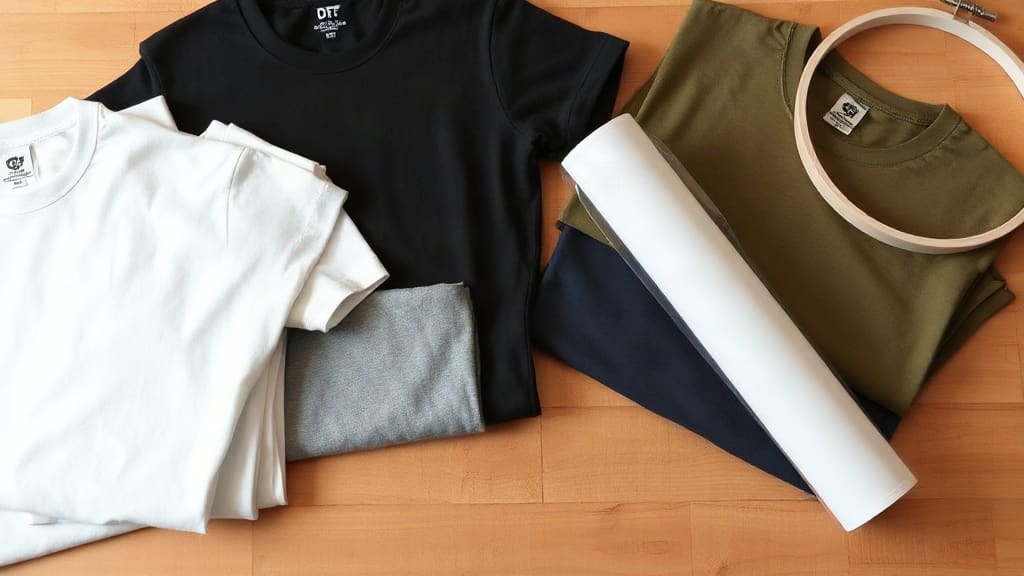
When you're creating custom apparel, the blank you choose is just as important as the design you put on it. Whether you're a small business owner launching a merch line, a team manager ordering uniforms, or a DIY enthusiast experimenting with DTF transfers, the quality of your base garment determines how professional your final product looks and how long it lasts. That's where smart blanks come in. These aren't just any ordinary t-shirts or hoodies; they're carefully engineered garments designed to work seamlessly with decoration methods like screen printing, embroidery, and heat-applied transfers. In this guide, we'll dive deep into what makes a blank 'smart,' why brands like Shaka Wear are leading the charge, and how to pick the perfect blank for your next project.
What Are Smart Blanks?
The term 'smart blanks' refers to blank apparel that is optimized for customization. Unlike basic blanks that might shrink, fade, or have inconsistent stitching, smart blanks are manufactured with specific features that enhance decoration outcomes. These features include:
- Fabric consistency: High-quality cotton or cotton-poly blends that provide a smooth, even surface for printing or embroidery.
- Reinforced stitching: Double-needle hems and shoulder-to-shoulder taping to prevent distortion during wear and washing.
- Pre-shrunk materials: Reduced shrinkage ensures your sizing remains accurate after multiple washes.
- Colorfast dyes: Vibrant, long-lasting colors that won't bleed or fade, even after repeated laundering.
- Compatibility with multiple decoration methods: Whether you're using DTF transfers, screen printing, or embroidery, smart blanks are designed to handle the heat and pressure involved.
In essence, smart blanks are the intelligent choice for anyone serious about custom apparel. They save you time, reduce waste, and ensure a professional finish that your customers or team will love.
Why the Blank Matters for DTF Transfers
DTF transfers have revolutionized the custom apparel industry because they allow for full-color, photographic-quality designs without the setup costs of screen printing. However, not all blanks are created equal when it comes to DTF. The success of a DTF transfer depends heavily on the fabric's texture, weave, and heat tolerance.
Fabric Smoothness
DTF transfers adhere best to smooth fabrics. Rough or heavily textured materials can cause the transfer to lift or crack over time. Smart blanks from reputable brands often feature a tight knit that provides an ideal surface for the adhesive to bond.
Heat Resistance
The DTF process involves applying heat and pressure to transfer the design. If the blank is made from low-quality synthetic fibers, it may melt or scorch. Smart blanks are typically made from natural fibers or high-grade blends that can withstand the heat without damage.
Color Retention
DTF transfers are printed with vibrant inks, but if the blank's dye is unstable, it can migrate into the transfer, causing discoloration. Smart blanks use colorfast dyes that lock in the color, ensuring your design stays true.
Shaka Wear: A Case Study in Smart Blanks
When discussing smart blanks, Shaka Wear is a name that frequently comes up. Known for their heavyweight cotton t-shirts and hoodies, Shaka Wear has built a reputation for producing blanks that are both durable and decoration-friendly. Let's explore why Shaka Wear blanks are a favorite among custom apparel professionals.
Heavyweight Construction
Shaka Wear blanks are often made from 100% cotton with a weight of 6 oz or more. This heavier fabric drapes well, feels premium, and provides a stable base for embroidery and DTF transfers. The thickness also means the garment won't become sheer or flimsy after washing.
Consistent Sizing
One of the biggest complaints about cheap blanks is inconsistent sizing. Shaka Wear blanks are cut to precise specifications, so a size large is always a large. This consistency is crucial for bulk orders, where a mis-sized garment can ruin the entire batch.
Wide Color Selection
From classic white and black to trendy hues like heather grey and olive, Shaka Wear offers a broad palette. This variety allows you to match your brand colors or create seasonal collections without compromising on quality.
Compatibility with Embroidery
Embroidery requires a stable fabric that won't pucker or pull. Shaka Wear blanks have a tight weave that supports dense embroidery without distortion. Whether you're adding a small logo or a large back design, the results are crisp and professional.
How to Choose the Right Smart Blank for Your Project
With so many options on the market, selecting the right smart blank can feel overwhelming. Here's a step-by-step guide to help you make an informed decision.
1. Identify Your Decoration Method
Different decoration methods have different requirements. For example, DTF transfers work best on smooth, tightly woven fabrics, while embroidery requires a stable, medium-to-heavyweight fabric. Screen printing can be done on a wider range of blanks but still benefits from a smooth surface. Know your method first, then choose a blank that matches.
2. Consider the End Use
Will the garment be worn for sports, casual wear, or corporate events? Athletic wear demands moisture-wicking fabrics, while corporate apparel might prioritize a polished look. Smart blanks come in various fabrications, so pick one that suits the intended use.
3. Check the Fabric Content
100% cotton is breathable and soft, but it can shrink. Cotton-poly blends offer durability and reduced shrinkage. Tri-blends provide a vintage, soft feel but may be trickier for DTF transfers. Read the label and, if possible, order a sample to test.
4. Evaluate the Weight
Fabric weight is measured in ounces per square yard (oz/yd²). Lightweight (under 5 oz) is great for summer, but may not hold up well to heavy embroidery. Midweight (5-6 oz) is versatile. Heavyweight (6+ oz) is durable and premium, ideal for hoodies and tees that need to last.
5. Test Before You Commit
Always order a sample blank and run a test decoration. This will reveal how the fabric takes the transfer or embroidery, how it washes, and how it feels. It's a small investment that can save you from a costly mistake.
Maximizing Results with Smart Blanks and DTF Transfers
Once you've chosen your smart blank, proper application techniques ensure a flawless finish. Here are some expert tips for working with DTF transfers on smart blanks.
- Pre-press the garment: This removes moisture and wrinkles, creating a smooth surface for the transfer.
- Use the right temperature and pressure: Follow the transfer supplier's recommendations. Typically, 325°F for 15 seconds with medium pressure works well, but always test.
- Peel with care: Wait for the transfer to cool completely before peeling the film. This prevents the design from stretching or lifting.
- Post-press for durability: A second press for a few seconds after peeling can improve adhesion and washability.
When you combine high-quality smart blanks with proper DTF techniques, you get a finished product that looks and feels professional.
Embroidery on Smart Blanks: Best Practices
Embroidery adds a premium, tactile element to apparel. To get the best results on smart blanks, keep these guidelines in mind:
- Use a cut-away stabilizer: This supports the fabric during stitching and prevents puckering.
- Choose the right needle and thread: A sharp needle (size 75/11) and quality polyester thread work well for most fabrics.
- Mind the density: Overly dense designs can stiffen the fabric or cause holes. Work with your digitizer to optimize the stitch count.
- Test on a swatch: Always embroider a sample on the same fabric to check tension and appearance.
Smart blanks like those from Shaka Wear are particularly forgiving for embroidery because of their tight weave and sturdy construction.
Common Mistakes to Avoid with Smart Blanks
Even experienced decorators can slip up. Here are pitfalls to watch for:
- Ignoring fabric compatibility: Using a blank that isn't suited for your decoration method leads to poor results.
- Skipping pre-treatment: Not pre-pressing or pre-washing can cause shrinkage or adhesion issues.
- Using the wrong settings: Incorrect heat, pressure, or stitch settings can ruin both the blank and the design.
- Overlooking quality control: Always inspect blanks for defects before decorating. A flawed blank means a flawed final product.
By avoiding these mistakes, you'll save time, money, and frustration.
Frequently Asked Questions About Smart Blanks
What exactly are smart blanks and why should I use them?
Smart blanks are blank garments engineered for optimal decoration. They offer consistent fabric, reinforced stitching, and colorfast dyes, making them ideal for DTF transfers, embroidery, and screen printing. Using them ensures a professional, durable finish.
Are Shaka Wear blanks good for DTF transfers?
Yes, Shaka Wear blanks are excellent for DTF transfers due to their smooth, tightly woven fabric and heat resistance. Their heavyweight cotton provides a stable base that prevents the transfer from cracking or peeling.
How do I choose the right smart blank for embroidery?
Look for a medium to heavyweight fabric with a tight weave, like Shaka Wear's 6 oz cotton tees. Avoid lightweight or loosely woven fabrics that may pucker. Always test embroidery on a swatch first.
Can I use smart blanks for both DTF and embroidery?
Absolutely. Many smart blanks, including those from Shaka Wear, are versatile enough for multiple decoration methods. Just ensure the fabric weight and content suit both techniques.
Where can I buy smart blanks from trusted brands?
You can find smart blanks at specialty apparel suppliers and online retailers. Look for brands like Shaka Wear that are known for quality and consistency. Always order samples before committing to a large order.
Final Thoughts
Choosing the right smart blank is a critical step in creating custom apparel that stands out. By understanding what makes a blank 'smart,' considering your decoration method, and selecting reputable brands like Shaka Wear, you set yourself up for success. Whether you're using DTF transfers or embroidery, the quality of your blank directly impacts the final result. So take the time to choose wisely, test thoroughly, and enjoy the professional finish that smart blanks deliver.