
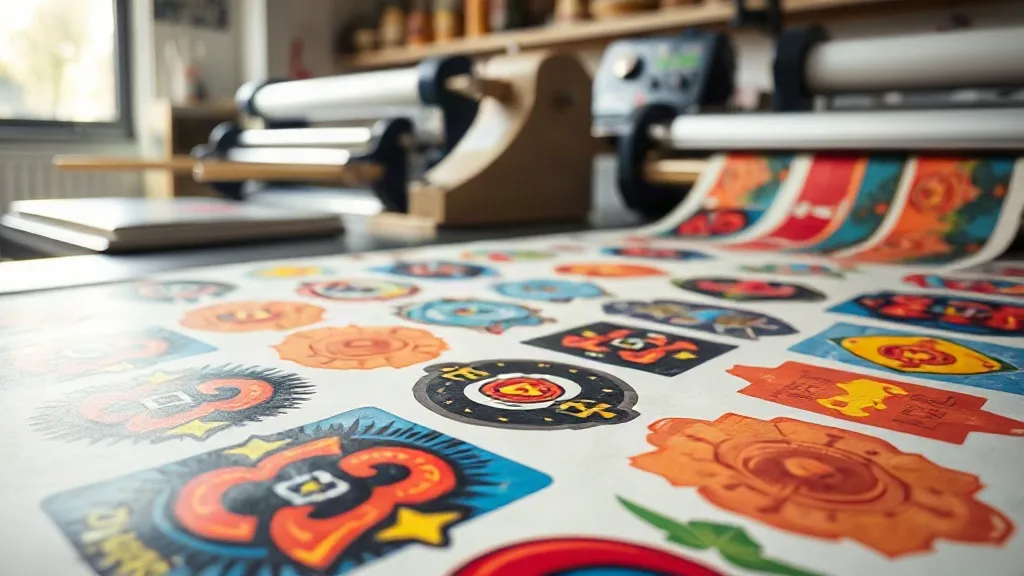
In the competitive world of custom apparel, staying profitable means finding smart ways to cut costs without sacrificing quality. If you're tired of watching your profit margins shrink due to expensive printing methods, you're not alone. Many small business owners and print shops are turning to DTF Gangsheet printing as a game-changer. This method lets you print multiple designs on a single sheet, drastically reducing waste and production time. But is it right for your business? Let's dive into what DTF gangsheets are, how they work, and why they might be the cost-effective solution you've been searching for.
What Exactly Is a DTF Gangsheet?
DTF stands for Direct-to-Film, a printing technology where designs are printed onto a special film, then transferred to fabric using heat and pressure. A gangsheet takes this a step further by arranging multiple designs onto one large sheet of film. Think of it as a digital collage of your artwork, optimized to fit as many prints as possible in the available space. This approach maximizes efficiency and minimizes material waste, which translates directly to cost savings.
The Basics of DTF Printing
Before we delve into gangsheets, let's quickly recap how DTF printing works. A printer lays down a layer of white ink, followed by color inks, onto a PET film. A powdered adhesive is applied to the wet ink, then the film is cured. When you're ready to apply the design, you place the film on the garment and press it with a heat press. The adhesive melts, bonding the ink to the fabric. This process works on almost any material, including cotton, polyester, and blends, without the need for pre-treatment.
How Gangsheets Multiply Your Output
A gangsheet is essentially a large format DTF print that contains multiple designs. Instead of printing each design individually, you arrange them on a single sheet using design software. The printer then produces the entire sheet in one go. This is particularly useful for small businesses that need to produce a variety of designs in small quantities. For example, if you have ten different t-shirt designs, you can fit them all on one gangsheet, print it once, and have all your transfers ready in a fraction of the time.
Why DTF Gangsheets Are a Game-Changer for Small Businesses
Small businesses often struggle with the high costs of custom printing. Traditional methods like screen printing require separate screens for each color and design, which can be prohibitively expensive for short runs. DTF gangsheets eliminate these setup costs and offer flexibility that other methods can't match. Here's why they're becoming the go-to solution for entrepreneurs and print shops alike.
Cost Savings: More Designs, Less Money
The most obvious benefit is cost. With gangsheets, you pay for the film and ink used, but you're maximizing every square inch. This means your cost per design drops significantly. For instance, if a gangsheet costs $10 to produce and you fit 20 designs on it, your cost per design is just $0.50. Compare that to screen printing, where each screen might cost $20 or more, and the savings are clear. Plus, there's no minimum order quantity, so you can print exactly what you need without overstocking.
Time Efficiency: Speed Up Your Production
Time is money, and gangsheets save both. Printing one large sheet with multiple designs is faster than printing each design separately. You also save time on cutting and weeding, as the designs are already arranged. For businesses that offer custom apparel on demand, this speed can be a competitive advantage. Imagine receiving an order for 50 shirts with 10 different designs. With gangsheets, you can fulfill it in hours instead of days.
Versatility: One Sheet, Many Possibilities
DTF gangsheets work on a wide range of fabrics and colors. Whether you're printing on dark cottons, light polyesters, or blends, the results are vibrant and durable. This versatility means you can take on more diverse projects without investing in different equipment. Additionally, gangsheets allow you to mix and match designs, making them perfect for sample packs, promotional items, or limited-edition runs.
How to Create and Use DTF Gangsheets Effectively
Getting started with gangsheets requires some planning and the right tools. Here's a step-by-step guide to help you make the most of this technology.
Step 1: Design Your Layout
Use design software like Adobe Illustrator or specialized gangsheet builders to arrange your designs on a template that matches your film size. Ensure you leave enough space between designs for cutting. Consider the size of each design and how they'll fit together. A common mistake is overcrowding, which can lead to cutting errors. Aim for a balanced layout that maximizes space without compromising quality.
Step 2: Choose the Right Film and Ink
Not all DTF films are created equal. Look for films that are compatible with your printer and offer good ink absorption. Quality ink is also crucial for vibrant colors and durability. Cheaper alternatives might save you money upfront but can lead to faded prints or poor adhesion, costing you more in the long run.
Step 3: Print and Cure
Load the film into your DTF printer and print your gangsheet. After printing, apply adhesive powder evenly and cure it according to the manufacturer's instructions. Proper curing ensures the transfers will withstand washing and wear.
Step 4: Transfer to Garments
When you're ready to apply a design, cut it from the sheet, place it on the garment, and press with a heat press. The temperature and time will depend on the fabric and film, so always test first. With a little practice, you'll be able to transfer designs quickly and consistently.
Common Pitfalls to Avoid with DTF Gangsheets
While gangsheets are straightforward, there are a few pitfalls that can trip up beginners. Being aware of these can save you time and money.
- Overcrowding the sheet: Trying to fit too many designs can make cutting difficult and increase the risk of errors. Leave adequate spacing.
- Using low-quality film: Cheap film may not hold ink well, leading to smudging or poor transfer. Invest in reputable brands.
- Inconsistent powder application: Too much or too little adhesive powder can affect adhesion. Use a shaker for even distribution.
- Ignoring fabric compatibility: While DTF works on many fabrics, some require lower temperatures. Always test on a scrap piece first.
Frequently Asked Questions About DTF Gangsheets
What is the maximum size of a DTF gangsheet?
The maximum size depends on your printer's capabilities. Common widths are 13, 24, and 48 inches, with lengths limited only by the roll size. Some printers can produce sheets up to 60 inches wide.
Can I use DTF gangsheets for small orders?
Absolutely. Gangsheets are ideal for small orders because you can print multiple designs on one sheet without minimum quantity requirements. This makes them perfect for sample packs or one-off custom items.
How do I price products made with DTF gangsheets?
Calculate your cost per design by dividing the total cost of the gangsheet (film, ink, powder) by the number of designs. Then add your labor, overhead, and profit margin. Since gangsheets reduce waste, your cost per design is often lower than other methods, allowing for competitive pricing.
Are DTF transfers durable?
Yes, when properly applied, DTF transfers are highly durable. They can withstand multiple washes without fading or cracking. Following correct heat press settings and caring for the garment as recommended ensures longevity.
Can I mix different designs on one gangsheet?
Yes, that's the beauty of gangsheets. You can combine any designs you want, regardless of size or color, as long as they fit on the sheet. This flexibility is great for creating variety packs or testing new designs.
DTF gangsheets are revolutionizing the custom apparel industry by making short-run production affordable and efficient. Whether you're a small business owner looking to cut costs or a print shop aiming to increase throughput, embracing this technology can give you a competitive edge. With careful planning and quality materials, you'll be able to deliver vibrant, long-lasting designs that keep customers coming back.