
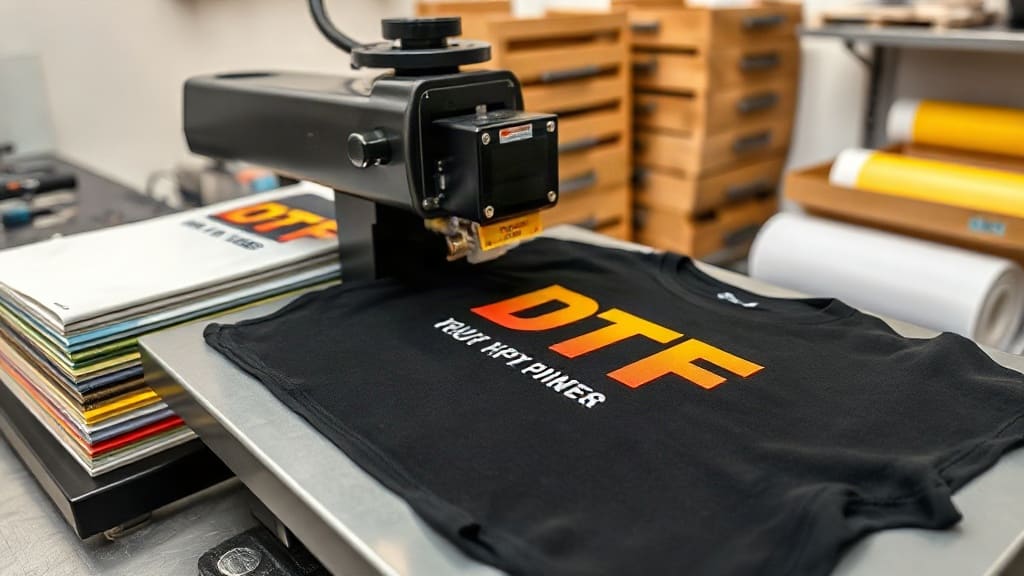
When it comes to custom apparel, DTF transfers have quickly become a go-to solution for creators who want vibrant, durable designs without the hassle of traditional methods. Whether you're a small business owner looking to offer personalized t-shirts or a DIY enthusiast wanting to experiment with fabric printing, understanding DTF transfers can open up a world of possibilities. In this guide, we'll walk you through everything you need to know about DTF transfers, from the basics to pro tips for flawless results.
What Are DTF Transfers?
DTF stands for Direct-to-Film. It's a printing technology where your design is printed onto a special film, coated with a powder adhesive, and then heat-pressed onto fabric. Unlike DTG (Direct-to-Garment) or screen printing, DTF transfers work on a wide range of materials, including cotton, polyester, blends, and even nylon. The process involves creating a mirror-image print on film, applying a thermoplastic polyurethane (TPU) powder, and curing it. The result is a flexible, stretchable transfer that bonds permanently to the fabric when heat-pressed.
How DTF Transfers Differ from Other Methods
Traditional methods like screen printing require separate screens for each color, making them cost-effective only for large orders. DTG printing works best on 100% cotton and often requires pre-treatment. DTF transfers, on the other hand, require no pre-treatment, work on almost any fabric, and can produce full-color designs with fine details. They also eliminate the need for weeding or cutting, which saves time and reduces waste.
Why Choose DTF Transfers for Your Custom Apparel?
There are several compelling reasons to consider DTF transfers for your next project. First, the color vibrancy is exceptional. DTF prints can achieve bright, opaque colors even on dark garments, which is a challenge for DTG. Second, the durability is impressive; when applied correctly, DTF transfers withstand repeated washing without cracking or fading. Third, the versatility: you can apply them to t-shirts, hoodies, tote bags, caps, and more. Finally, the cost-effectiveness for small to medium batches makes DTF transfers an attractive option for small businesses and individuals alike.
Common Applications of DTF Transfers
From custom team jerseys to personalized gifts, DTF transfers are used in a variety of settings. Small businesses use them to create on-demand merchandise, while crafters love them for adding unique designs to fabric items. They're also popular for promotional products, event apparel, and fashion prototyping.
Step-by-Step Guide to Applying DTF Transfers
Applying DTF transfers is straightforward, but following the correct steps ensures a professional finish. Here's what you need:
- Heat press (or iron with no steam)
- DTF transfer film with your design
- Fabric item (pre-washed and lint-free)
- Parchment paper or Teflon sheet
- Preheat your heat press to 325°F (160°C). If using an iron, set it to the highest temperature with steam off.
- Pre-press the fabric for 5-10 seconds to remove moisture and wrinkles.
- Place the DTF transfer onto the fabric with the printed side facing up.
- Cover with parchment paper or a Teflon sheet to protect the design.
- Press firmly for 15-20 seconds with medium to heavy pressure.
- Peel the film while it's still warm (hot peel) or let it cool completely (cold peel) depending on the film type. Most DTF films are hot peel.
- Post-press for another 5-10 seconds with parchment paper to enhance durability.
Tips for Perfect DTF Transfers
To get the best results, keep these tips in mind: Always test on a scrap fabric first, especially with blends. Ensure your heat press maintains consistent temperature and pressure. Store unused transfers in a cool, dry place away from direct sunlight. And remember, the quality of your DTF film and powder matters; investing in reputable supplies pays off in longevity.
DTF vs. Other Printing Methods: A Quick Comparison
How does DTF stack up against screen printing, DTG, and vinyl? Screen printing offers lower cost per unit for large orders but lacks detail and requires separate screens. DTG excels on 100% cotton but struggles with polyester and dark colors. Vinyl is great for simple designs but limited in complexity. DTF transfers shine in their ability to produce intricate, multi-color designs on virtually any fabric without pre-treatment, making them a versatile choice for diverse needs.
When to Choose DTF Transfers
Opt for DTF transfers when you need full-color designs on dark or synthetic fabrics, when you want to avoid minimum order quantities, or when you're producing small batches of custom items. They're also ideal for businesses that offer personalized products on demand.
Frequently Asked Questions About DTF Transfers
How long do DTF transfers last?
With proper application and care, DTF transfers can last as long as the garment itself. They withstand 50+ washes when washed inside out in cold water and tumble dried low. Avoid ironing directly on the design.
Can I use DTF transfers on polyester?
Absolutely. DTF transfers work exceptionally well on polyester and polyester blends, unlike DTG which requires pre-treatment and may not adhere well. The low-temperature application also prevents scorching.
Do I need a heat press for DTF transfers?
While a heat press gives the most consistent results, you can use a home iron. However, achieving even pressure and temperature is trickier, so a heat press is recommended for professional quality.
What's the difference between hot peel and cold peel DTF transfers?
Hot peel transfers are removed immediately after pressing while still hot, while cold peel transfers must cool completely before peeling. Hot peel is more common and faster, but always follow the instructions provided with your film.
Can I layer DTF transfers?
Yes, you can layer DTF transfers for multi-color designs, but it's best to use a single transfer with all colors printed. If layering, press each layer separately and ensure proper adhesion.
Final Thoughts
DTF transfers have revolutionized custom apparel printing with their versatility, durability, and vibrant results. Whether you're a business owner or a hobbyist, mastering DTF transfers can elevate your creations. Remember to source quality supplies, follow application guidelines, and care for your garments properly. With these insights, you're ready to dive into the world of DTF transfers and bring your designs to life.