
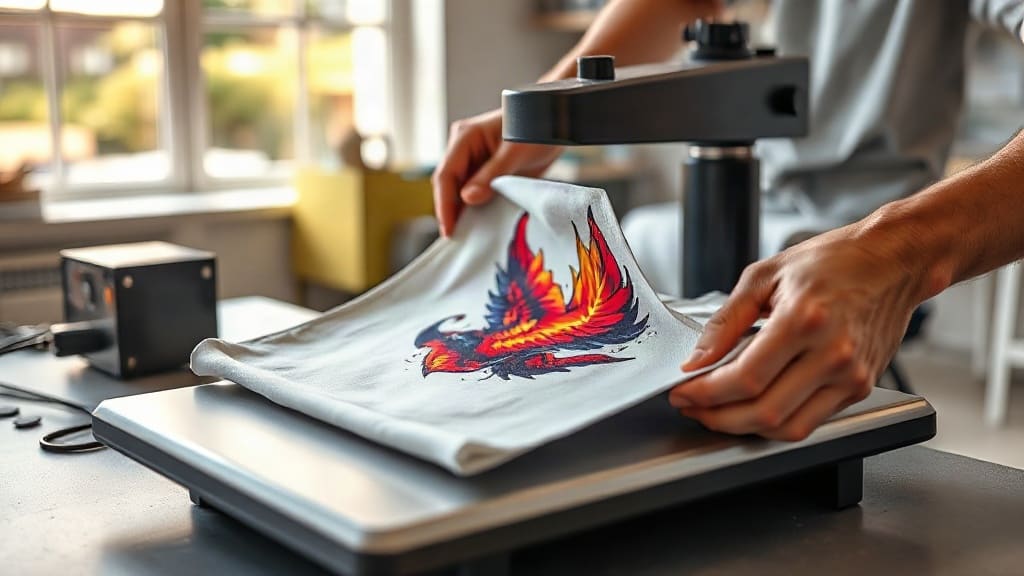
When it comes to custom apparel, DTF transfers have quickly become a game-changer for both hobbyists and professionals. Unlike traditional methods that require multiple steps or specialized equipment, DTF transfers offer a streamlined way to add vibrant, durable designs to fabrics. Whether you're running a small business or creating personalized gifts, understanding this technology can open up new creative possibilities.
What Are DTF Transfers?
DTF stands for Direct to Film. It's a printing method where your design is printed onto a special film, coated with a powder adhesive, and then heat-pressed onto the fabric. The result is a soft, stretchable, and long-lasting print that works on a wide range of materials, including cotton, polyester, and blends.
The process involves three main steps: printing, powdering, and curing. First, a digital printer lays down the design onto the film using specialized inks. Then, a powder adhesive is applied while the ink is still wet. Finally, the film is cured to melt the powder, creating a transfer ready for application.
Why Choose DTF Transfers Over Other Methods?
If you've tried screen printing or vinyl cutting, you know each has its limitations. Screen printing is cost-effective for large orders but struggles with complex, multi-color designs. Vinyl is great for simple shapes but can't handle fine details or gradients. DTF transfers bridge that gap, offering the best of both worlds.
Unmatched Versatility
One of the biggest advantages is that DTF transfers adhere to almost any fabric. You can print on cotton, polyester, silk, denim, and even leather. This versatility means you don't need to stock different types of transfers for different garments.
Vibrant Colors and Fine Details
DTF printers use CMYK plus white ink, allowing for full-color designs with gradients, photographs, and intricate details. The white ink acts as a base, making colors pop even on dark fabrics. Unlike vinyl, there's no weeding required, saving you hours of tedious work.
Durability That Lasts
When applied correctly, DTF transfers can withstand dozens of washes without fading, cracking, or peeling. The adhesive powder creates a strong bond with the fabric fibers, ensuring the design stays put.
How to Apply DTF Transfers: Step-by-Step
Applying DTF transfers is straightforward, but following the right steps ensures a professional finish. Here's what you need to do:
- Preheat your heat press to the recommended temperature (usually 300-325°F or 150-160°C).
- Pre-press the garment for a few seconds to remove moisture and wrinkles.
- Place the transfer on the fabric with the design facing up.
- Press with medium to firm pressure for 10-15 seconds.
- Peel the film while it's still warm (hot peel) or after it cools (cold peel), depending on the film type.
- Post-press for another 5-10 seconds with a cover sheet to ensure the adhesive fully sets.
Always test on a scrap piece of fabric first to dial in your settings. Different fabrics and transfer brands may require slight adjustments.
Common Mistakes to Avoid
Even though DTF is forgiving, some pitfalls can ruin your results. Here are a few to watch out for:
- Insufficient pressure: Without enough pressure, the transfer won't adhere properly and may peel off.
- Wrong temperature: Too hot and the film may melt; too cold and the adhesive won't activate.
- Peeling at the wrong time: Some films require hot peel, others cold. Check the manufacturer's instructions.
- Not pre-pressing: Skipping this step can trap moisture, leading to poor adhesion.
DTF Transfers vs. Other Printing Methods
Let's compare DTF to screen printing, DTG, and vinyl to see where it shines.
Screen Printing
Screen printing is cost-effective for bulk orders but requires separate screens for each color. DTF has no setup fees and handles full-color designs effortlessly, making it ideal for small batches and intricate artwork.
Direct-to-Garment (DTG)
DTG prints directly onto the fabric, which works well for cotton but struggles with polyester. DTF adheres to more materials and often produces more vibrant colors on dark garments.
Heat Transfer Vinyl (HTV)
HTV is great for simple text and shapes but can't reproduce photographs or gradients. DTF excels at complex designs and requires no weeding, saving time and labor.
Choosing the Right DTF Supplies
Not all DTF films and powders are created equal. When sourcing supplies, consider these factors:
- Film thickness: Thinner films feel softer on the garment but can be trickier to handle. Thicker films are more forgiving but may have a heavier hand.
- Powder type: TPU powder is standard, but some brands offer finer powders for smoother results.
- Ink quality: Use high-quality DTF inks to ensure vibrant colors and durability.
It's also wise to buy from reputable suppliers who provide consistent products and clear instructions.
Tips for Long-Lasting DTF Prints
To get the most out of your DTF transfers, follow these care tips:
- Wash garments inside out in cold water.
- Avoid using fabric softeners or bleach.
- Tumble dry on low or hang dry.
- Iron on the reverse side, never directly on the print.
With proper care, your DTF-printed apparel can last for years.
Frequently Asked Questions
Can I use DTF transfers on 100% polyester?
Yes, DTF transfers work well on polyester, including blends. However, polyester requires lower pressing temperatures to avoid scorching. Start at 300°F and adjust as needed.
Do I need a special printer for DTF?
You need a DTF printer that uses DTF inks and a powder shaker. Converting a regular printer isn't recommended because DTF requires specific ink formulations and white ink channels.
How long do DTF transfers last?
With proper application and care, DTF transfers can last 50+ washes. The key is using the right temperature, pressure, and following wash instructions.
Can I stretch DTF prints?
DTF prints have some stretchability, but they're not as elastic as the fabric itself. For highly stretchy fabrics like spandex, consider designs that won't be stretched excessively.
Is DTF cost-effective for small orders?
Absolutely. Unlike screen printing, there are no setup fees or minimums. You can print one-offs or small batches economically, making DTF perfect for personalized items.
Final Thoughts
DTF transfers are a versatile and efficient solution for custom apparel. Whether you're a seasoned pro or just starting, this technology offers incredible creative freedom. By mastering the application process and choosing quality supplies, you can produce professional-grade garments that impress customers and clients alike. Give DTF a try on your next project and experience the difference.