
If you've been exploring custom apparel printing, you've likely encountered DTF transfers. This innovative technology is rapidly becoming a favorite among small business owners, crafters, and DIY enthusiasts for its versatility and vibrant results. Unlike traditional methods that require specific fabrics or extensive setup, DTF transfers offer a streamlined approach to decorating t-shirts, hoodies, tote bags, and more. In this guide, we'll dive deep into what DTF transfers are, how they work, and why they might be the perfect solution for your next project.
What Are DTF Transfers?
DTF stands for Direct to Film. It's a printing method where your design is printed onto a special PET film using water-based inks, then coated with a hot-melt adhesive powder. Once the powder is cured, the transfer is ready to be applied to fabric using a heat press. The result is a soft, stretchable, and highly durable print that bonds seamlessly to the material.
Unlike DTG (Direct to Garment) printing, which requires pretreatment and works best on 100% cotton, DTF transfers can be applied to a wide range of fabrics, including cotton, polyester, blends, and even nylon. This flexibility makes them a game-changer for anyone looking to print on diverse materials without compromising quality.
Why Choose DTF Transfers?
There are several compelling reasons why DTF transfers have gained such popularity. Let's break down the key benefits:
- Versatility: Works on virtually any fabric, including dark and light colors, without the need for separate pretreatment.
- Durability: The prints resist cracking, peeling, and fading even after multiple washes.
- Detail and Color: DTF transfers can reproduce intricate details and vibrant colors, including whites and pastels, which can be challenging with other methods.
- Cost-Effective for Small Runs: No minimum order quantities, making them ideal for small businesses, personalized gifts, and samples.
- Soft Feel: The prints have a smooth, lightweight feel that doesn't stiffen the fabric.
Whether you're printing a single custom shirt or a batch for a team event, DTF transfers deliver professional results without the need for expensive equipment or specialized skills.
How to Apply DTF Transfers: Step-by-Step
Applying DTF transfers is straightforward, but following the correct steps ensures a long-lasting, professional finish. Here's what you need to do:
1. Prepare Your Workspace and Materials
Gather your supplies: a heat press (or an iron with consistent pressure), your DTF transfer, the garment, and a protective sheet (like parchment paper or Teflon sheet). Ensure your heat press is set to the recommended temperature, typically around 325°F (160°C).
2. Pre-Press the Garment
Pre-pressing removes moisture and wrinkles from the fabric, creating a smooth surface for the transfer. Press for 5-10 seconds. This step is crucial for proper adhesion.
3. Position the Transfer
Place the DTF transfer onto the garment with the printed side facing up. If your design has a specific orientation, make sure it's aligned correctly. You can use heat-resistant tape to hold it in place if needed.
4. Apply Heat and Pressure
Cover the transfer with a protective sheet. Press down with medium to firm pressure for 15-20 seconds. The exact time may vary depending on your press and the transfer manufacturer's instructions, so always check the guidelines provided.
5. Peel the Film
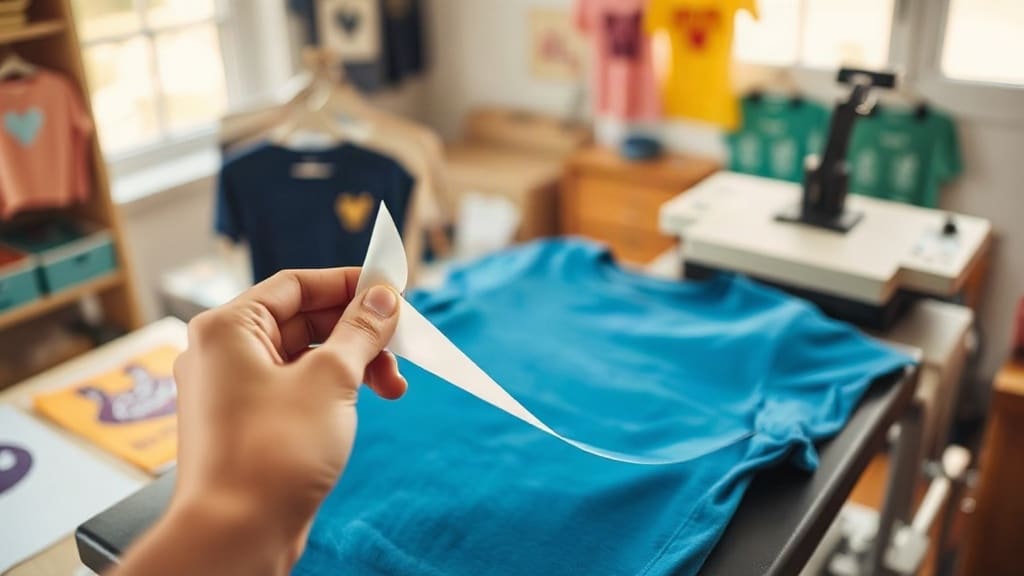
After pressing, allow the transfer to cool completely before peeling off the film. This is known as a cold peel. Peeling while hot can cause the design to stretch or tear. Once cooled, slowly peel away the film. If any part of the design lifts, re-press for a few seconds.
6. Post-Press for Durability
For added durability, cover the design with a protective sheet and press again for 5-10 seconds. This helps the adhesive fully bond with the fabric.
Common Mistakes to Avoid with DTF Transfers
Even though DTF transfers are user-friendly, a few missteps can affect the outcome. Watch out for these common pitfalls:
- Insufficient Pressure: Uneven or too little pressure leads to poor adhesion. Make sure your press applies consistent pressure across the entire design.
- Wrong Temperature: Too high can scorch the fabric or cause the transfer to burn; too low results in weak bonding. Always follow the recommended settings.
- Peeling Too Soon: Patience is key. Let the transfer cool completely before peeling.
- Not Pre-Pressing: Skipping pre-pressing can trap moisture, leading to bubbling or peeling.
- Using the Wrong Fabric: While DTF works on many fabrics, some highly textured or coated materials may not accept the transfer well. Test on a scrap first.
DTF Transfers vs. Other Printing Methods
How do DTF transfers stack up against other popular decoration methods? Here's a quick comparison:
- DTF vs. DTG: DTG requires pretreatment and works best on cotton. DTF is more versatile and doesn't need pretreatment, but DTG can be more cost-effective for large runs on cotton.
- DTF vs. Vinyl: Vinyl is great for simple, single-color designs but struggles with complex images. DTF excels at full-color, detailed graphics.
- DTF vs. Screen Printing: Screen printing is cost-effective for bulk orders but has setup costs and limited color gradients. DTF is ideal for small batches and photorealistic designs.
Each method has its strengths, but DTF transfers offer a unique blend of versatility, quality, and low entry cost.
Tips for Getting the Best Results
To ensure your DTF transfers look professional and last, keep these tips in mind:
- Store Transfers Properly: Keep unused transfers in a cool, dry place away from direct sunlight to prevent the adhesive from activating prematurely.
- Test Your Settings: Every heat press is different. Run a test with a small transfer to dial in the ideal temperature, pressure, and time.
- Use Quality Blanks: The fabric quality affects the final look. Choose garments with a smooth surface for best results.
- Wash Inside Out: To prolong the life of your printed apparel, wash inside out in cold water and avoid harsh detergents or bleach.
Frequently Asked Questions About DTF Transfers
How long do DTF transfers last?
With proper application and care, DTF transfers can last as long as the garment itself. They resist cracking, peeling, and fading for 50+ washes when washed inside out in cold water and tumble dried on low.
Can I use DTF transfers on dark fabrics?
Absolutely. DTF transfers include a white ink layer that makes them opaque, so they show up brilliantly on dark colors without needing a separate white underbase.
Do I need a commercial heat press for DTF transfers?
While a commercial heat press yields the most consistent results, you can use a home iron or a craft press. Just ensure you apply even, firm pressure and maintain the correct temperature. However, for frequent use, investing in a heat press is recommended.
What fabrics work best with DTF transfers?
DTF transfers adhere well to cotton, polyester, cotton-poly blends, and even nylon. They are not recommended for fabrics with a heavy texture (like ribbed knits) or those with a water-repellent coating.
How should I store unused DTF transfers?
Store them flat in a cool, dry place, away from direct sunlight and heat sources. Avoid folding or creasing the transfers, as this can damage the adhesive layer.
Final Thoughts
DTF transfers are a versatile and accessible way to create custom apparel that stands out. Whether you're a small business owner looking to offer personalized products or a DIY enthusiast wanting to make unique gifts, DTF transfers provide a reliable, high-quality solution. With the right techniques and a bit of practice, you'll be producing vibrant, durable prints in no time. So why not give DTF transfers a try for your next project? Your customers and friends will be impressed by the professional results.