
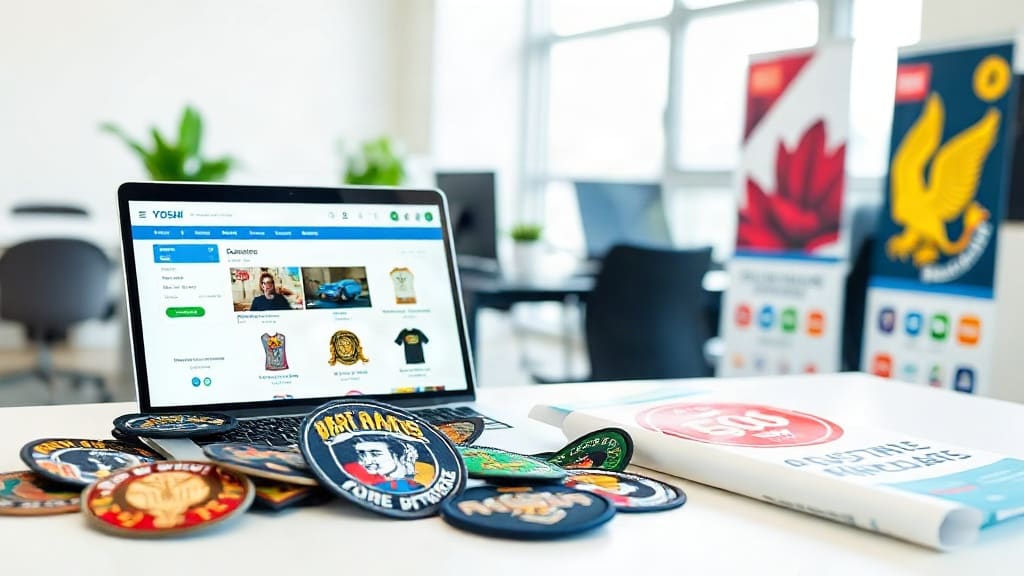
Starting a print on demand business is one of the most accessible ways to enter the ecommerce world. You don't need to hold inventory, manage a warehouse, or invest heavily upfront. Instead, you focus on creating designs and marketing them, while a third-party supplier handles production and shipping. In this guide, we'll explore a specific angle that many entrepreneurs overlook: specializing in custom patches and custom banners. These products offer unique opportunities for personalization, niche marketing, and high-profit margins. Whether you're a seasoned seller or just starting out, this article will provide actionable insights to help you succeed in this exciting space.
Why Focus on Custom Patches and Banners?
Most print on demand businesses start with apparel like t-shirts and hoodies. While those are popular, they are also highly competitive. Differentiating your store with custom patches and custom banners can be a smart move. Patches are used by scouts, military units, motorcycle clubs, corporate teams, and fashion enthusiasts. Banners are essential for events, promotions, sports teams, and even home decoration. By targeting these products, you tap into a market that values personalization and quality. Plus, they often have better profit margins because they are smaller and less costly to produce, yet can be sold at premium prices when customized.
Finding Your Profitable Niche
To stand out in the print on demand world, you need a clear niche. It's not enough to sell generic patches and banners; you must tailor your offerings to a specific audience. Here are some steps to identify your niche:
- Brainstorm your interests: What communities are you a part of? What hobbies or causes resonate with you? For example, if you're a scout leader, you might create patches for local troops.
- Research market demand: Use tools like Google Trends, Etsy, and Amazon to see what designs are popular. Look for gaps in the market where demand exceeds supply.
- Consider seasonal trends: Banners are huge for holidays, festivals, and sporting events. Patches often relate to year-round identifications, but special events can boost sales.
- Evaluate competition: A little competition is good, but if the market is saturated, you might need to narrow down further. For instance, instead of just “custom patches,” you could focus on “embroidered patches for hiking clubs.”
Once you've chosen a niche, you can tailor your designs and marketing messages to speak directly to that audience. This increases conversion rates and builds a loyal customer base.
Designing High-Converting Products
Design is the heart of your products. Even the best marketing won't save a poor design. Here are some tips for creating designs that sell:
Understand Your Customer's Identity
Your designs should reflect the identity of your target audience. For example, if you're targeting motorcycle clubs, you need bold, rugged designs with logos and club names. For corporate teams, clean and professional designs are more appropriate. Use color psychology, typography, and imagery that resonates with your niche.
Leverage Personalization
The beauty of custom products is the ability to add names, numbers, or unique messages. Offer options for customers to upload their own logos or text. This is especially popular for patches and banners. Make sure your website or platform allows for easy customization.
Keep It Simple but Impactful
When it comes to patches, intricate details can get lost in the embroidery. Stick to clear, bold shapes and limited colors. For banners, readability is key. Ensure that text is legible from a distance and that the design is visually striking.
Choosing the Right Print on Demand Supplier
Your supplier can make or break your business. Since you're relying on them to produce and ship orders, you need a reliable partner. Here's what to look for:
- Product quality: Order samples to check the stitching, fabric, and overall feel. High-quality patches and banners will lead to positive reviews and repeat customers.
- Production time: How long does it take to make and ship an item? Customers expect reasonable delivery times, especially if they're ordering for an event.
- Pricing: Compare costs among suppliers, but don't sacrifice quality for a lower price. Remember, you need to maintain a healthy profit margin.
- Integration: If you're using an ecommerce platform like Shopify, ensure the supplier integrates smoothly with your store. This simplifies order fulfillment.
- Customer service: Test their responsiveness. You'll need support when issues arise.
Popular print on demand platforms that offer patches and banners include Printful, Printify, and CustomCat. Do your research and pick the one that aligns with your needs.
Setting Up Your Online Store
Your online store is your digital storefront. It should be professional, easy to navigate, and optimized for conversions. Here are the essential steps:
Choose an Ecommerce Platform
Shopify, WooCommerce, and Etsy are great options. Shopify offers robust features and integration with print on demand apps. Etsy is a marketplace that brings built-in traffic, but you have less control over branding. Consider starting with a platform that you're comfortable with and that suits your budget.
Create High-Quality Product Images
Since customers can't physically touch your products, you need clear, high-resolution images that show the details. Use mockups that display the patches or banners in real-life settings. This helps customers visualize the product and increases their confidence.
Write Compelling Product Descriptions
For each product, write a description that highlights the features, benefits, and use cases. Use keywords naturally, like custom patches and custom banners, but avoid keyword stuffing. Focus on how the product solves a problem or fulfills a need.
Set Competitive Prices
Research your competitors' pricing to ensure you're in the right range. Factor in your costs, including production, shipping, and platform fees, to determine your base price. Then add a reasonable markup for profit. Consider offering bundle deals or discounts for bulk orders.
Marketing Your Print on Demand Business
Once your store is live, you need to attract customers. Here are some marketing strategies that work particularly well for niche products like patches and banners:
Search Engine Optimization (SEO)
Optimize your product pages and blog posts with relevant keywords. Since you're focusing on custom patches and custom banners, create content that targets these terms. For example, write a blog post about “How to Design Custom Patches for Your Club” or “Best Materials for Outdoor Banners.” This helps you rank on Google and drive organic traffic.
Social Media Marketing
Visual platforms like Instagram, Pinterest, and Facebook are perfect for showcasing your designs. Post high-quality images and videos of your patches and banners in use. Engage with your target audience by using relevant hashtags and joining communities.
Email Marketing
Build an email list from day one. Offer a discount or free resource in exchange for email signups. Send regular newsletters with new designs, promotions, and helpful tips. Email is a powerful tool for nurturing repeat customers.
Influencer Partnerships
Reach out to influencers in your niche who have an engaged audience. For instance, a popular hiking blogger might be interested in showcasing your custom patches for hiking clubs. Provide them with free products in exchange for a review or feature.
Common Challenges and How to Overcome Them
Every business faces obstacles. Being prepared can help you navigate these challenges:
- High competition: Differentiate yourself by offering unique designs, exceptional quality, and excellent customer service.
- Low margins due to supplier costs: Negotiate bulk discounts with your supplier or raise your prices slightly if your brand justifies it.
- Design fatigue: Keep your product line fresh by regularly adding new designs based on customer feedback and trends.
- Shipping delays: Communicate transparently with customers about production times and choose suppliers with reliable shipping partners.
Remember, patience is key. Building a successful print on demand business takes time and effort, but the rewards are worth it.
Scaling Your Business
Once you've established a steady flow of orders, you can start thinking about scaling. Here are a few ways to grow:
- Expand your product range: Add new types of patches, such as Velcro-backed or iron-on, and banners in various sizes and materials.
- Target new niches: If you've mastered one niche, consider expanding to a related one. For example, from scouting to outdoor adventure clubs.
- Invest in paid advertising: Once you have data on what works, you can scale up with targeted ads on Google or social media.
- Automate customer service: Use AI chatbots or canned responses to handle common inquiries, freeing up your time to focus on growth.
Frequently Asked Questions
What is the profit margin for print on demand custom patches?
Profit margins can vary widely depending on your supplier, pricing strategy, and niche. Typically, you can expect a margin of 30% to 50% on each sale. Patches are relatively inexpensive to produce, so you can price them affordably while still making a healthy profit.
Can I use custom banners for both indoor and outdoor events?
Yes, but you need to choose the right material. For outdoor banners, opt for durable, weather-resistant materials like vinyl. Indoor banners can use lighter materials like fabric or paper. Make sure to specify the intended use when ordering from your supplier.
Do I need to have design skills to start this business?
While design skills are helpful, they are not essential. You can use free tools like Canva or hire freelancers from platforms like Fiverr to create designs for you. Focus on understanding your customers' needs and let professionals handle the creative part if needed.
How long does it take to receive products from a print on demand supplier?
Production times typically range from 2 to 7 business days, depending on the product and the supplier. Shipping times vary based on your location and the customer's. Always check the supplier's estimated timelines and communicate them clearly to your customers.
Is it necessary to register a business to start print on demand?
While you can start as a sole proprietor, it's wise to register your business as an LLC or similar entity to protect your personal assets. You'll also need to collect sales tax in certain jurisdictions. Consult with a legal professional to understand the requirements in your area.
Final Thoughts
Starting a print on demand business with a focus on custom patches and custom banners is a promising venture. By choosing a specific niche, creating eye-catching designs, partnering with a reliable supplier, and implementing effective marketing strategies, you can build a profitable online store. Remember to stay adaptable and continuously improve based on customer feedback. The ecommerce landscape is ever-evolving, but with persistence and creativity, your business can thrive. So take the first step today, and turn your passion into a successful entrepreneurial journey.