
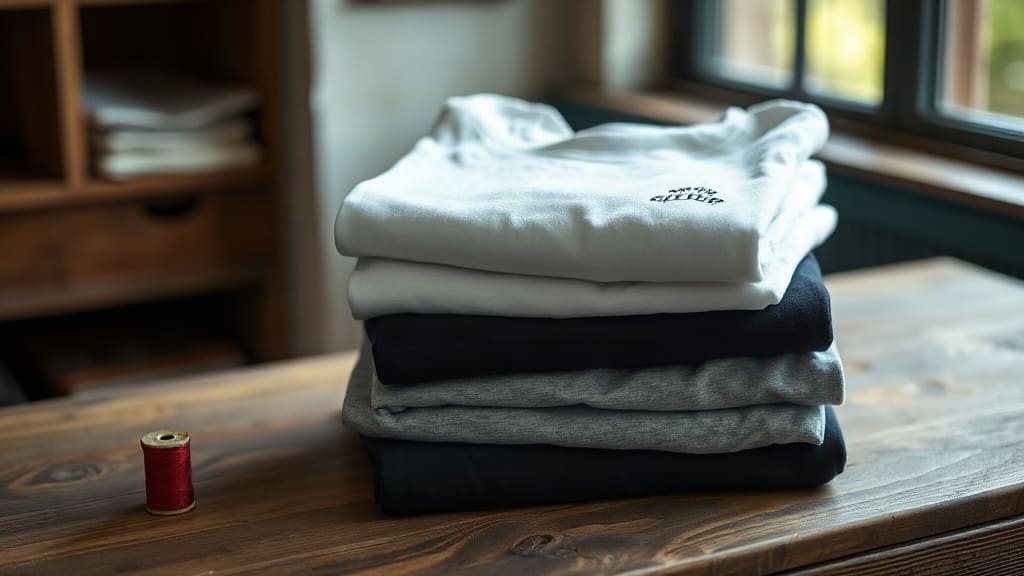
If you've spent any time in streetwear circles, you've likely heard the name Shaka Wear. Maybe you spotted it on a friend's perfectly faded tee, or noticed a rack of blank shirts at a local screen printer. The brand has quietly built a reputation for making some of the most reliable, comfortable, and affordable basics around. But what exactly is Shaka Wear, and why does it keep showing up in conversations about quality everyday clothing? Let's dig into the story, the fabric, and the culture behind these now-ubiquitous shirts.
What Is Shaka Wear?
Founded in Los Angeles, Shaka Wear started as a response to a simple problem: it was surprisingly hard to find blank t-shirts that felt substantial, held their shape, and didn't break the bank. The brand carved out a niche by focusing on heavyweight cotton tees that could stand up to daily wear and repeated washing. Over time, it expanded into hoodies, sweatpants, and accessories, but the core philosophy remains the same: durable, no-nonsense apparel that works as a canvas for personal expression.
Unlike many fashion labels that chase trends, Shaka Wear leans into timeless silhouettes. You won't find flashy graphics or loud logos plastered across the chest. Instead, the appeal lies in the cut, the weight of the fabric, and the way the shirt feels after a few wears. That understated approach has made it a go-to for everyone from skaters to small business owners looking for reliable blanks to print on.
The Fabric Story: Why Weight Matters
One of the first things people notice about a Shaka Wear tee is its heft. Many of their popular styles use 100% cotton with a fabric weight ranging from 5.5 oz to 7 oz per square yard. For context, a standard promotional t-shirt often clocks in around 4.5 oz, which can feel flimsy and prone to stretching. The extra weight in Shaka Wear garments translates to better drape, fewer see-through moments, and a longer lifespan.
Heavier cotton also takes dye differently, which is why the colors tend to look rich and saturated. Whether you choose a classic white, a deep black, or a muted earth tone, the fabric holds the hue well over time. And because the cotton is ring-spun, the surface is smoother and softer than what you'd get from a basic carded cotton tee. It's a small detail that makes a big difference in how the shirt feels against your skin.
How Shaka Wear Tees Are Constructed
Construction details are where Shaka Wear quietly outperforms many competitors. Look closely at the seams and you'll find double-needle stitching at the sleeves and bottom hem. This reinforces high-stress areas so the shirt doesn't unravel after a few months of wear. The shoulder-to-shoulder taping inside the collar helps prevent stretching, which is a common failure point in cheaper tees.
Another detail: the neck ribbing. A good crew neck should snap back into shape after you pull it over your head. Shaka Wear uses a tighter knit on the collar, so it resists the dreaded bacon-neck effect. These might sound like minor points, but they add up to a shirt that looks crisp far longer than expected.
Why Streetwear and DIY Creators Love Shaka Wear
Walk into any screen-printing shop or browse online forums for small clothing brands, and you'll see Shaka Wear mentioned alongside other blank heavyweights. The reason is simple: it offers a premium feel at a mid-range price. For someone starting a clothing line, that combination is hard to beat. The shirts take screen printing, embroidery, and heat transfers well, and the consistent sizing means repeat orders don't turn into a guessing game.
Beyond business use, Shaka Wear has become a staple in personal wardrobes. The relaxed fit and boxy silhouette fit right into the oversized trend that's dominated streetwear for years. But even if you prefer a more tailored look, sizing down gives you a cleaner fit without sacrificing the fabric quality. It's this versatility that keeps the brand relevant across different style tribes.
Embroidery and Customization Potential
While printing is common, embroidery on Shaka Wear tees is a growing trend. The dense cotton fabric provides a stable base for stitching, which means logos and designs come out looking sharp and defined. If you're considering custom embroidery, a heavyweight tee like this prevents the puckering and distortion that can happen on thinner materials. It's a detail that matters if you're creating uniforms, merch, or one-of-a-kind pieces.
How to Choose the Right Shaka Wear Style
With several fits and fabric weights available, picking the right Shaka Wear shirt comes down to how you plan to wear it. Here's a quick breakdown:
- Classic Crew Neck: The all-rounder. Great for everyday wear, layering, or printing. Available in a wide range of colors.
- Heavyweight Tee (7 oz): Maximum durability and structure. Ideal for standalone wear or when you want a shirt that feels substantial.
- Relaxed Fit: A looser cut through the body and sleeves. Perfect for a laid-back, oversized look.
- Long Sleeve: Good for cooler weather or as a base layer. Same fabric quality with added coverage.
- Hoodies and Sweatpants: If you like the tees, the fleece line offers the same no-frills quality for colder months.
When in doubt, start with a classic crew neck in your usual size. If you want a more fitted look, consider sizing down; for a roomier feel, go true to size or up one. Checking the specific product measurements online can save you a return.
Caring for Your Shaka Wear Tees
To get the most life out of your Shaka Wear gear, a little care goes a long way. Heavyweight cotton is tough, but it's not indestructible. Wash in cold water with like colors, and turn the shirt inside out to protect the surface from abrasion. Avoid using a hot dryer; instead, tumble dry on low or hang to dry. This minimizes shrinkage and helps preserve the fit.
If you've added embroidery or printing, be extra gentle. Skip the fabric softener, which can break down the fibers over time, and never iron directly on a printed or embroidered area. A quick steam or a pressing cloth will smooth out wrinkles without damaging the design.
Common Questions About Shaka Wear
Is Shaka Wear true to size?
Generally, yes. Shaka Wear tees are cut to standard US sizing with a relaxed fit. If you're between sizes or prefer a closer fit, sizing down is a safe bet. For an oversized look, stay with your regular size or go up one.
Does Shaka Wear shrink after washing?
Like most 100% cotton garments, some shrinkage can occur, especially if you wash in hot water or use a high-heat dryer. Washing cold and drying low will keep shrinkage to a minimum, usually less than 5%.
Can I embroider on Shaka Wear t-shirts?
Absolutely. The heavyweight cotton provides a stable backing for embroidery. For best results, use a cut-away stabilizer and avoid dense designs that might make the fabric stiff. Many embroiderers consider Shaka Wear a reliable choice for custom projects.
Where are Shaka Wear products made?
Shaka Wear is designed in Los Angeles and manufactured overseas, primarily in facilities that specialize in cut-and-sew knitwear. The brand maintains quality control to ensure consistency across batches.
Are Shaka Wear blanks good for starting a clothing brand?
Yes, they're a popular option for small brands because of the combination of price, quality, and consistent sizing. Many screen printers and embroidery shops keep them in stock, which simplifies reordering as your brand grows.
Final Thoughts
Shaka Wear isn't trying to be the flashiest name in fashion. Instead, it's built a loyal following by doing the basics exceptionally well. The heavyweight cotton, thoughtful construction, and versatile fits make these shirts a smart choice whether you're printing a few tees for a personal project or building a full clothing line. Next time you're looking for a blank that feels anything but basic, give Shaka Wear a try. Your wardrobe, and your customers, will thank you.