
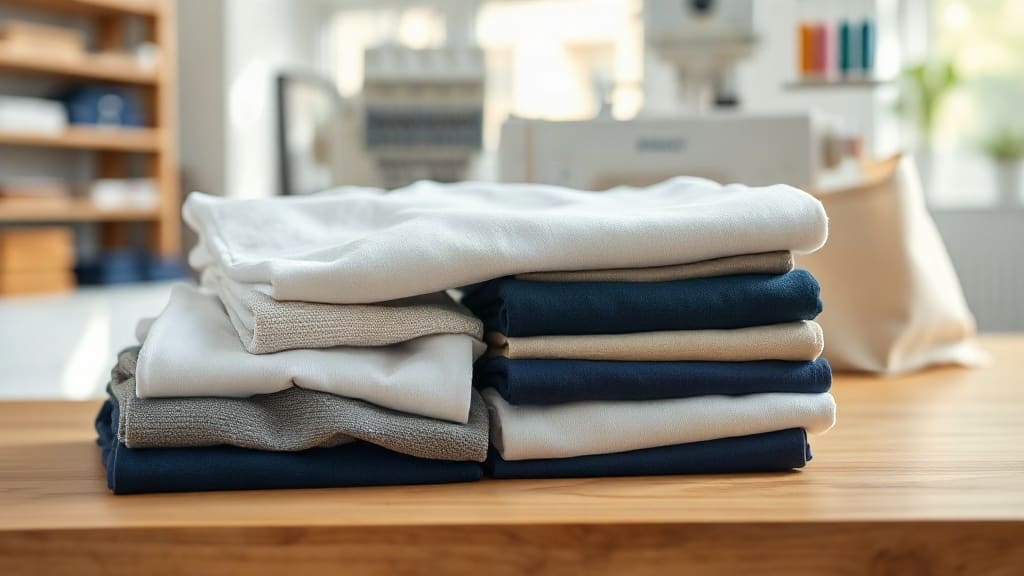
If you have ever watched a beautifully digitized design turn into a puckered, misaligned mess on a cheap T-shirt, you already know that the fabric you embroider on matters as much as the design itself. That is where smart blanks come in. These are not just any empty garments; they are carefully engineered pieces that make embroidery easier, more consistent, and far more professional. In this guide, we will explore what makes a blank "smart," how to identify one, and why upgrading your blanks could be the single most impactful change you make to your embroidery workflow.
What Are Smart Blanks?
The term smart blanks refers to garments and accessories that are specifically designed or selected to work exceptionally well with embroidery. They are not a single brand or product; rather, they are blanks that share certain characteristics: stable fabric, appropriate weight, minimal shrinkage, and a surface that accepts stitches cleanly. Think of them as the canvas for your art. A smart blank does not fight your needle; it cooperates.
Unlike standard blanks that may be flimsy, stretchy, or prone to distortion, smart blanks are chosen with embroidery in mind. They might be made from tightly woven cotton, a stable cotton-poly blend, or a performance fabric that holds its shape. The key is that they provide a reliable foundation for your design, reducing the need for excessive stabilizer or special techniques.
Why Smart Blanks Matter for Embroidery Quality
Embroidery is a physical process. The needle pushes through fabric thousands of times, creating tension and movement. If the fabric is unstable, the result is puckering, shifting, and a design that looks amateurish. Smart blanks minimize these issues by offering a stable base. When you embroider on a smart blank, you will notice:
- Less puckering: The fabric resists distortion, so the design lies flat.
- Better stitch definition: Stitches sit on the surface rather than sinking in.
- Fewer skipped stitches: Consistent fabric density helps the needle penetrate smoothly.
- Easier hooping: Blanks that hold their shape are simpler to hoop correctly.
- Professional finish: The final product looks polished and ready to sell.
In short, smart blanks save you time, reduce waste, and elevate the perceived value of your work. Whether you are embroidering for clients or personal projects, the difference is undeniable.
Key Characteristics of Smart Blanks
Not all blanks are created equal. To identify smart blanks, look for these traits:
Fabric Stability
The fabric should have minimal stretch and good recovery. Knits with a high cotton content and a tight gauge are often better than loose, slinky fabrics. Wovens like canvas, twill, and denim are naturally stable and excellent for embroidery. If you are working with stretchy fabrics, consider adding a cutaway stabilizer, but smart blanks reduce that need.
Appropriate Weight
Lightweight fabrics (under 4 oz) can be tricky because they may not support dense designs. Medium to heavy weights (5 oz and up) provide a better foundation. However, weight alone is not enough; the weave and finish matter too. A 5 oz cotton twill is a smart blank; a 5 oz loose-knit jersey might not be.
Minimal Shrinkage
Pre-shrunk or low-shrinkage blanks are ideal because they maintain their size after washing. This is crucial for embroidery, as shrinkage can distort the design. Always check the manufacturer's specifications for shrinkage rates.
Smooth Surface
Textured fabrics like terry cloth or rib knit can be embroidered, but they require special techniques. Smart blanks typically have a smooth, even surface that allows stitches to lay flat and clean. This does not mean you cannot embroider on textures, but for trouble-free results, smooth is safer.
Colorfastness
No one wants a design that bleeds or fades after a few washes. Smart blanks are dyed with colorfast dyes, ensuring the background stays true and the embroidery remains the star.
How to Choose Smart Blanks for Your Next Project
With so many options available, selecting the right blank can feel overwhelming. Here is a practical approach:
- Identify your design's needs: Dense, large designs require stable fabrics. Fine details need a smooth surface. Consider the stitch count and complexity.
- Test before you commit: Order a sample or two and embroider a test design. Pay attention to puckering, registration, and overall appearance.
- Consider the end use: A polo shirt for everyday wear has different requirements than a jacket or a tote bag. Durability and washability are key.
- Check reviews and recommendations: Experienced embroiderers often share which blanks work best. Look for brands known for consistency.
- Balance cost and quality: Smart blanks may cost a bit more, but they save money by reducing errors and rework.
Remember, the goal is to find blanks that make your embroidery look its best with minimal fuss. Once you find a few reliable smart blanks, stick with them.
Top Smart Blank Categories for Embroidery
Different projects call for different blanks. Here are some categories that consistently perform well:
Polos and Button-Downs
These are staples for corporate and club embroidery. Look for 100% cotton or cotton-rich blends with a tight pique or twill weave. They hold shape and provide a professional canvas for logos and text.
T-Shirts and Tanks
Not all tees are smart blanks. Seek out ringspun cotton with a smooth surface and minimal stretch. Heavier weights (5.5 oz+) are generally better. Avoid very thin, sheer fabrics unless you plan to use a backing.
Outerwear and Jackets
Jackets made from nylon, polyester, or canvas are excellent for embroidery. They are stable and durable. Just be mindful of coatings and linings that might interfere with hooping.
Bags and Accessories
Tote bags, caps, and aprons are popular embroidery items. Canvas totes and structured caps are smart blanks because they hold their shape. For caps, look for those with a buckram or structured front.
Common Mistakes to Avoid with Blanks
Even with smart blanks, some pitfalls can ruin your results. Here are mistakes to watch for:
- Ignoring fabric content: A 50/50 blend may behave differently than 100% cotton. Always test.
- Skipping stabilization: Even smart blanks may need a light backing, especially for dense designs.
- Using the wrong needle: Match your needle to the fabric. Sharp needles for wovens, ballpoint for knits.
- Overstretching during hooping: This can cause puckering. Hoop snugly but not tightly.
- Neglecting pre-washing: If the blank is not pre-shrunk, wash it before embroidering to avoid surprises.
By avoiding these mistakes and choosing smart blanks, you set yourself up for success.
Frequently Asked Questions About Smart Blanks
What exactly makes a blank "smart" for embroidery?
A smart blank is a garment or accessory that has been designed or selected to provide a stable, smooth, and durable surface for embroidery. It typically features tight weave, minimal stretch, and good colorfastness, which reduces puckering and improves stitch quality.
Are smart blanks more expensive than regular blanks?
They can be slightly more expensive, but the difference is often offset by reduced waste and rework. Investing in quality blanks saves time and money in the long run, especially for professional embroiderers.
Can I use smart blanks for both home and commercial embroidery?
Absolutely. Smart blanks benefit any embroiderer, from hobbyists to large shops. They make the process smoother and the results more consistent, regardless of your machine.
How do I know if a blank is a smart blank before buying?
Check the fabric content, weight, and weave. Look for reviews from other embroiderers. If possible, order a sample and test it with your design. Brands that cater to embroiderers often label their blanks as suitable for embroidery.
Do smart blanks eliminate the need for stabilizer?
Not entirely. While smart blanks reduce the need for heavy stabilizer, some designs still require a backing to prevent puckering and ensure stitch stability. Always use appropriate stabilizer based on the fabric and design.
Choosing the right blank is a foundational step in embroidery. By prioritizing smart blanks, you ensure that your hard work and creativity are showcased on a surface that does them justice. Whether you are embroidering a simple monogram or an intricate logo, smart blanks help you achieve professional, lasting results.