
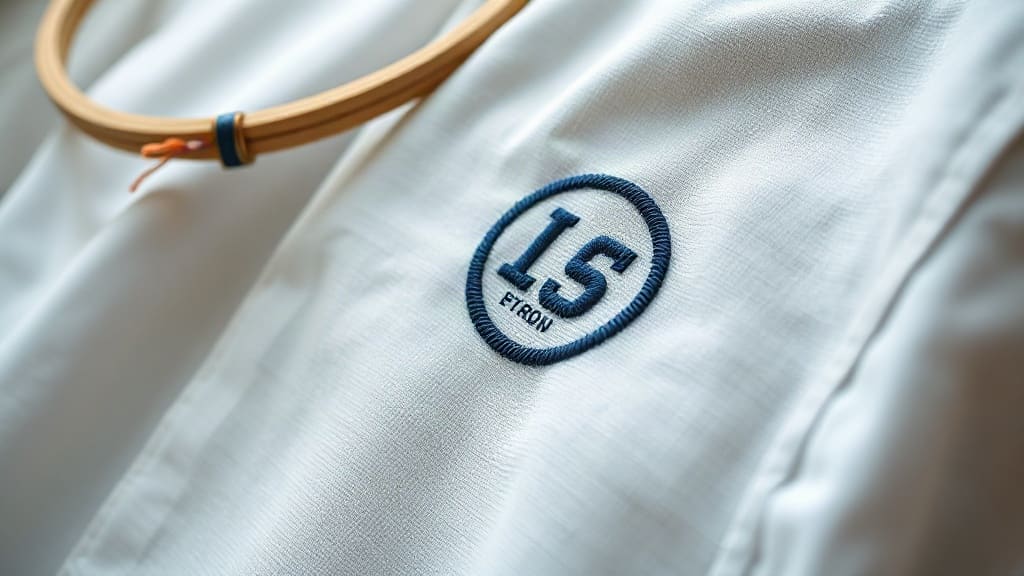
If you've ever spent hours perfecting an embroidery design only to have it pucker, shift, or look lackluster on the final garment, the problem might not be your stitching. It's likely the blank you chose. In the world of embroidery, the term smart blanks refers to garments and fabrics specifically engineered or selected to work seamlessly with embroidery machines and techniques. These aren't just any t-shirts or hats; they're carefully constructed with the right density, weave, and stability to make your stitches shine. Whether you're a hobbyist or running a commercial embroidery business, understanding smart blanks can transform your output from homemade to high-end.
What Exactly Are Smart Blanks?
Smart blanks are substrates that have been optimized for embroidery. They typically feature a tight, consistent weave, minimal stretch, and a surface that holds stitches without distortion. Common examples include 100% cotton twill, dense polyester blends, and stabilized knits. Unlike ordinary apparel, smart blanks are often pre-shrunk and have a higher thread count, which prevents the fabric from shifting during the embroidery process. They may also include a fusible backing or be manufactured with embroidery-friendly finishes.
The concept goes beyond just fabric type. Smart blanks also encompass the cut and construction of the garment. For instance, a polo shirt with a structured placket and side vents is a smart blank because it maintains its shape when embroidered, whereas a flimsy, unstructured tee might sag under the weight of dense stitching. Similarly, caps with buckram-backed front panels are considered smart blanks because they provide a stable canvas for logos.
Why Smart Blanks Matter for Your Embroidery Projects
Using smart blanks isn't just about making your life easier; it directly impacts the quality and durability of your finished product. Here's why they're worth the investment:
- Reduced puckering and distortion: The stable structure of smart blanks minimizes fabric movement, so your design stays crisp and flat.
- Better stitch definition: A tight weave allows threads to sit neatly on the surface, enhancing the clarity of fine details and lettering.
- Less trial and error: You spend less time testing tensions and more time producing sellable items.
- Professional finish: Clients notice when embroidery looks clean and consistent, which builds trust and repeat business.
In my own shop, switching to smart blanks cut my rejection rate by nearly half. I used to dread embroidering on cheap, stretchy tees because the results were unpredictable. Now, I can confidently take on complex designs without worrying about the fabric failing me.
How to Identify Smart Blanks
Not all blanks are created equal. When sourcing materials, look for these indicators that you're dealing with a smart blank:
Fabric Weight and Density
Heavier fabrics (typically 5.5 oz per square yard or more for knits) tend to be more embroidery-friendly. They can support dense stitching without collapsing. For woven shirts, a tighter weave like poplin or twill is preferable to loose gauze or linen.
Stretch Recovery
Some stretch is okay, but the fabric should snap back into shape. If it sags after being stretched, it's not a smart blank. You can test this by gently pulling a corner of the garment; if it doesn't return to its original form, it's likely to cause problems during embroidery.
Pre-Shrinking and Stabilization
Smart blanks are often pre-shrunk to prevent the design from warping after the first wash. They may also have a stabilizer backing already applied, which saves you a step. Check product descriptions for terms like "embroidery-ready" or "stabilized."
Choosing the Right Smart Blank for Different Techniques
Different embroidery techniques demand different blank characteristics. Here's a quick guide:
- Flat embroidery: Works on most smart blanks, but for best results, choose a medium-weight woven or knit with minimal stretch.
- 3D puff embroidery: Requires a firm, structured blank like a cap with buckram or a thick foam-friendly fabric. Avoid thin knits.
- Appliqué: Needs a stable base that can handle multiple layers without shifting. Dense twill or canvas is ideal.
- Delicate designs on lightweight fabrics: If you must embroider on lightweight material, use a smart blank with an integrated stabilizer or add a cutaway backing.
I learned this the hard way when I tried a 3D puff design on a lightweight performance tee. The foam sank into the fabric, and the logo looked flat. Now I always match the technique to the blank's capabilities.
Common Mistakes to Avoid with Smart Blanks
Even with smart blanks, there are pitfalls that can ruin your project. Watch out for these:
- Skipping a test stitch: Always run a sample on a scrap piece of the same fabric. Tension and density settings can vary between blanks.
- Over-stretching the fabric in the hoop: Hooping too tightly can cause puckering once the hoop is removed. Smart blanks are forgiving, but not indestructible.
- Using the wrong needle: For knits, use a ballpoint needle to avoid cutting fibers. For wovens, a sharp needle works best.
- Ignoring the grainline: Embroidering off-grain can lead to distortion. Align your design with the fabric's grain for best results.
These mistakes are easy to fix once you know about them. A little preparation goes a long way.
Where to Source Smart Blanks
Many major apparel suppliers now label their embroidery-friendly products. Look for brands that specialize in blanks for decorators, such as SanMar, S&S Activewear, or alphabroder. They often provide detailed specs, including fabric weight, stitch count recommendations, and stabilization details. If you're buying retail, check the label for fabric content and care instructions; a tight weave and high cotton content are good signs.
For specialty items like performance wear, seek out brands that explicitly state "embroidery-friendly" or "smart blank" in their marketing. These garments may cost a bit more, but the time and frustration you save are worth it.
Frequently Asked Questions About Smart Blanks
Can I use smart blanks for hand embroidery?
Absolutely. Smart blanks are excellent for hand embroidery because their stable weave prevents the fabric from stretching out of shape as you work. They're especially good for beginners who struggle with tension.
How do I know if a blank is a smart blank without testing?
Check the product specifications for terms like "embroidery-ready," "stabilized," or "tight weave." You can also feel the fabric: if it's flimsy, very stretchy, or has a loose weave, it's probably not a smart blank. When in doubt, order a sample and test it.
Are smart blanks more expensive?
They can be slightly pricier than basic blanks, but the reduced waste and higher quality output often offset the cost. Think of it as an investment in your craft.
What's the best smart blank for hats?
Caps with a buckram-backed front panel are ideal. Look for structured six-panel caps made of cotton twill or polyester. Avoid unstructured or lightweight caps unless you're doing a very simple design.
Can I embroider on smart blanks with a home machine?
Yes, smart blanks work well with home embroidery machines. They require less stabilization and are more forgiving of tension variations, making them great for hobbyists.
Embroidery is an art, but it's also a science. By choosing smart blanks, you set yourself up for success before the first stitch is sewn. Your designs will look better, last longer, and impress clients or gift recipients. So next time you're shopping for blanks, don't just grab the cheapest option. Invest in smart blanks and watch your embroidery reach a new level of professionalism.