
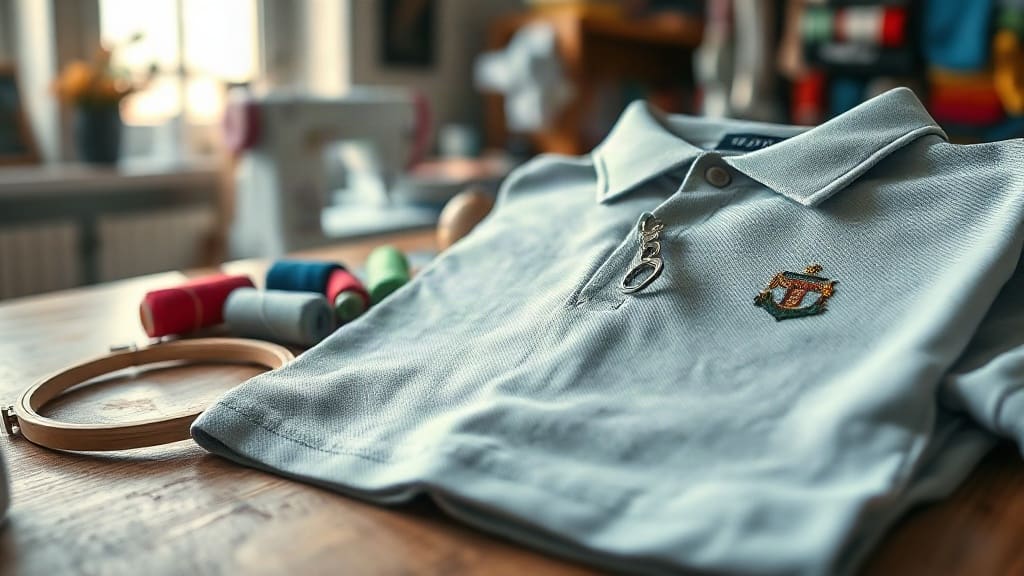
When you spend hours perfecting an embroidery design, the last thing you want is for the final product to look lackluster because of the fabric it's stitched on. That's where smart blanks come in. These specially selected garments and fabrics are engineered to work in harmony with embroidery machines, giving you a smooth canvas that holds stitches beautifully. Whether you're a hobbyist or a professional embroiderer, understanding smart blanks can dramatically improve your output and save you from costly mistakes.
What Are Smart Blanks?
Smart blanks are apparel items and fabrics that have been chosen or designed specifically for embroidery. They typically feature a tight weave, minimal stretch, and a surface that can support dense stitching without distortion. Unlike ordinary blanks, smart blanks are tested for compatibility with various embroidery techniques, from simple monograms to complex 3D puff designs. They come in a range of styles, including polos, caps, jackets, and tote bags, each tailored to different embroidery needs.
Key Characteristics of Smart Blanks
- Stable fabric structure: Prevents shifting and puckering during stitching.
- Appropriate weight: Heavy enough to support dense designs but not overly stiff.
- Colorfastness: Resists bleeding or fading after washing.
- Consistent quality: Uniform thickness and weave for predictable results.
Why Smart Blanks Matter for Embroidery
Embroidery is a physical process: needles push through fabric thousands of times, and each penetration can stress the material. Without the right foundation, you'll see puckering, gaps, or even holes. Smart blanks address these issues by providing a stable base. For example, a sturdy cotton twill cap holds embroidery much better than a flimsy polyester one. Similarly, a high-quality polo shirt with a tight weave will keep stitches crisp and aligned, while a loose-knit tee might allow the design to sink into the fabric.
The Cost of Skipping Smart Blanks
Using inferior blanks can lead to wasted time, materials, and client dissatisfaction. Imagine embroidering a complex logo on a cheap shirt, only to have it pucker after the first wash. The embroidery might look fine initially, but the fabric's instability will eventually ruin the design. Smart blanks minimize these risks, ensuring your work stands the test of time.
How to Choose the Right Smart Blanks
Selecting smart blanks depends on your project's requirements. Consider these factors:
1. Fabric Type
Natural fibers like cotton and linen are popular for their breathability and ability to hold stitches. Synthetic blends, such as polyester-cotton mixes, offer durability and wrinkle resistance. For stretchy fabrics, look for blanks with elastane or spandex that are specifically engineered for embroidery, as they often include a stabilizer backing.
2. Weight and Thickness
Lighter fabrics (under 5 oz) may require additional stabilizer, while heavier fabrics (6-12 oz) can often be embroidered directly. For caps, a mid-weight twill or canvas works well. For garments, a medium-weight pique or poplin is ideal.
3. Color and Texture
Dark colors can obscure fine details, so consider using a lighter thread or a contrasting outline. Textured fabrics like pique or herringbone add visual interest but may require adjustments to stitch density. Always test on a swatch before committing to a full run.
Top Smart Blanks for Different Projects
- Caps: Structured six-panel caps with buckram backing are excellent for 3D puff embroidery.
- Polos: 100% cotton or cotton-blend pique polos provide a professional look and hold embroidery well.
- Jackets: Softshell or nylon jackets need a lightweight stabilizer to prevent distortion.
- Bags: Canvas totes and denim bags are durable and showcase embroidery beautifully.
- Baby items: Soft interlock knits with a stabilizer are gentle and safe for delicate skin.
Preparing Smart Blanks for Embroidery
Even the best smart blanks need proper preparation. Follow these steps for optimal results:
- Pre-wash if needed: Some fabrics shrink; pre-washing minimizes surprises.
- Stabilize: Use cutaway or tearaway stabilizer based on fabric stretch and design density.
- Hoop carefully: Ensure the fabric is taut but not stretched. Over-stretching causes puckering.
- Test stitch: Run a test on a scrap piece to adjust tension and density.
- Press after embroidery: Use a pressing cloth to smooth the design without flattening it.
Common Mistakes to Avoid with Smart Blanks
Even experienced embroiderers can slip up. Watch out for these pitfalls:
- Using the wrong stabilizer for the fabric weight.
- Skipping the test stitch, leading to thread breaks or puckering.
- Over-hooping, which distorts the fabric.
- Ignoring fabric grain; embroidering on the bias can cause stretching.
- Not accounting for shrinkage in natural fibers.
Frequently Asked Questions About Smart Blanks
What are smart blanks and why are they important for embroidery?
Smart blanks are garments and fabrics specifically chosen for their compatibility with embroidery. They provide a stable foundation that prevents puckering, shifting, and distortion, ensuring your embroidery looks professional and lasts longer. Without them, even the most beautiful design can be ruined by poor fabric performance.
How do I know if a blank is "smart" for embroidery?
Look for blanks with a tight weave, minimal stretch, and a weight suitable for your design. Many suppliers label products as "embroidery-friendly." Reading reviews and requesting swatches can help you determine if a blank will work well. Additionally, brands like Gildan, Bella+Canvas, and Richardson offer lines known for embroidery compatibility.
Can I use smart blanks for other decoration methods like screen printing?
Absolutely. Smart blanks are versatile and work well with screen printing, heat transfer, and DTG printing. However, some blanks optimized for embroidery may have a tighter weave that affects ink penetration, so always test with your chosen method.
What stabilizer should I use with smart blanks?
The stabilizer depends on the fabric and design. For stable woven fabrics, a tearaway stabilizer is often sufficient. For stretchy knits, use a cutaway stabilizer. For dense designs, consider a wash-away stabilizer on top to prevent stitches from sinking. Always follow the blank manufacturer's recommendations.
Where can I buy smart blanks?
Many online retailers and local suppliers specialize in embroidery-friendly blanks. Websites like embroideredgo.com offer a curated selection of smart blanks for various projects. Always check return policies and order samples before committing to bulk purchases.
By choosing the right smart blanks, you set your embroidery projects up for success. The foundation you stitch on is just as important as the design itself. Take the time to select quality blanks, prepare them properly, and watch your embroidery reach new levels of professionalism.