
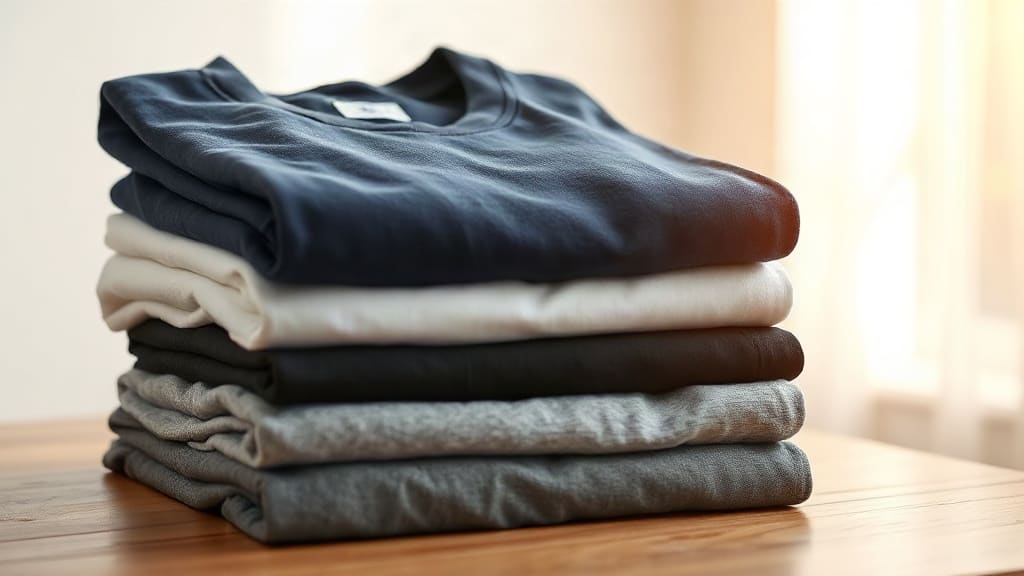
When you're creating custom embroidered apparel, the blank garment you choose is just as important as the embroidery itself. The term smart blanks refers to blank apparel items that are specifically designed to work well with embroidery, offering the right fabric, weight, and construction to support stitches without distortion. Whether you're a small business owner launching a merch line or a hobbyist perfecting your craft, understanding smart blanks can dramatically improve your finished products.
What Are Smart Blanks?
Smart blanks are not just any plain t-shirts or hoodies. They are garments engineered with embroidery in mind. Key characteristics include a tight weave, stable fabric, and often a higher thread count to prevent stitch pull and fabric sagging. Unlike cheap blanks that may pucker or warp under the needle, smart blanks maintain their shape and provide a smooth canvas for your design.
For example, a 100% cotton t-shirt with a tight knit is a smart blank, while a loosely woven polyester blend might not be. The difference becomes obvious after just a few washes: embroidered logos on smart blanks stay crisp, while those on inferior blanks may distort.
Why Smart Blanks Matter for Embroidery
Embroidery adds weight and tension to fabric. If the blank isn't up to the task, you'll see ripples, puckers, or even holes. Smart blanks are tested to withstand the stress of dense stitch counts. They also hold stabilizers better, which is crucial for intricate designs.
Beyond durability, smart blanks offer a professional finish. A high-quality blank enhances the perceived value of your embroidered product. Customers notice when a garment feels substantial and looks polished. That's why many embroidery businesses standardize on smart blanks for their entire catalog.
Key Factors in Choosing Smart Blanks
Fabric Type and Weight
Cotton, cotton-poly blends, and performance fabrics each have their strengths. For embroidery, a medium to heavy weight fabric (5.5 oz to 7 oz per square yard) is ideal. Lighter fabrics may require additional stabilizer, while heavier fabrics can handle dense designs without backing.
- 100% Cotton: Soft, breathable, and takes embroidery well, but may shrink.
- Cotton-Poly Blend: Durable, resistant to shrinkage, and holds color well.
- Performance Fabrics: Moisture-wicking and stretchy, but need special stabilizers.
Weave and Thread Count
A tight weave prevents stitches from sinking into the fabric. Look for blanks with a high thread count (at least 40 singles). Ringspun cotton is a good choice because it's smoother and stronger than carded cotton.
Colorfastness
Embroidery thread is colorfast, but the blank should be too. Cheap dyes may bleed during washing, ruining the embroidery. Smart blanks are dyed with reactive dyes that lock in color.
Top Smart Blank Categories for Embroidery
T-Shirts
The classic canvas for embroidery. Look for brands that offer consistent sizing and a wide color range. A good smart blank t-shirt will have double-needle stitching at the hem and sleeves for durability.
Hoodies and Sweatshirts
These are popular for corporate wear and team uniforms. Choose blanks with a high cotton content and a brushed interior for comfort. Avoid lightweight fleece that may pill.
Polos
Polos are a staple for business casual embroidery. Smart blanks in this category often feature a tight pique knit and side vents for movement.
Hats and Caps
Embroidery on hats requires a stable front panel. Smart blanks use buckram or structured foam to support dense logos.
How to Test a Blank Before Embroidering
Not all blanks labeled as "smart" live up to the name. Here's a simple test: cut a small square of fabric, hoop it with stabilizer, and stitch a dense design. Check for puckering, needle holes, and distortion. If the fabric passes, it's likely a smart blank. Also, wash the sample to see how it holds up.
Sourcing Smart Blanks
Many suppliers specialize in blanks for embroidery. When sourcing, ask for samples and check the fabric weight, content, and recommended stabilizers. Building a relationship with a reliable supplier ensures consistency across your orders. Some suppliers even offer "embroidery-friendly" labels, which can guide your choice.
Common Mistakes to Avoid
- Choosing blanks based solely on price. Cheap blanks cost more in the long run due to high defect rates.
- Ignoring fabric content. A 50/50 blend may not hold up as well as 100% cotton for certain designs.
- Skipping test stitches. Always test on a swatch before production.
- Using the wrong stabilizer. Smart blanks may require cutaway or tearaway stabilizer depending on the design.
Frequently Asked Questions
What does "smart blanks" mean in embroidery?
Smart blanks are blank garments specifically chosen for their ability to accept embroidery without distortion. They typically have a tight weave, stable fabric, and good colorfastness.
Can I embroider on any blank shirt?
Technically yes, but results vary. Lightweight or loosely woven fabrics may pucker or show holes. Smart blanks are engineered to handle embroidery stress.
How do I know if a blank is embroidery-friendly?
Check the fabric weight (at least 5.5 oz), weave (tight), and content (high cotton or cotton-poly). Test a swatch with your design before committing.
What stabilizer should I use with smart blanks?
It depends on the fabric and design. Cutaway stabilizer is best for stretchy fabrics, while tearaway works for stable wovens. Always follow the blank manufacturer's recommendations.
Are smart blanks more expensive?
They can be slightly pricier than basic blanks, but the reduced waste and higher quality justify the cost. Think of it as an investment in your brand.