
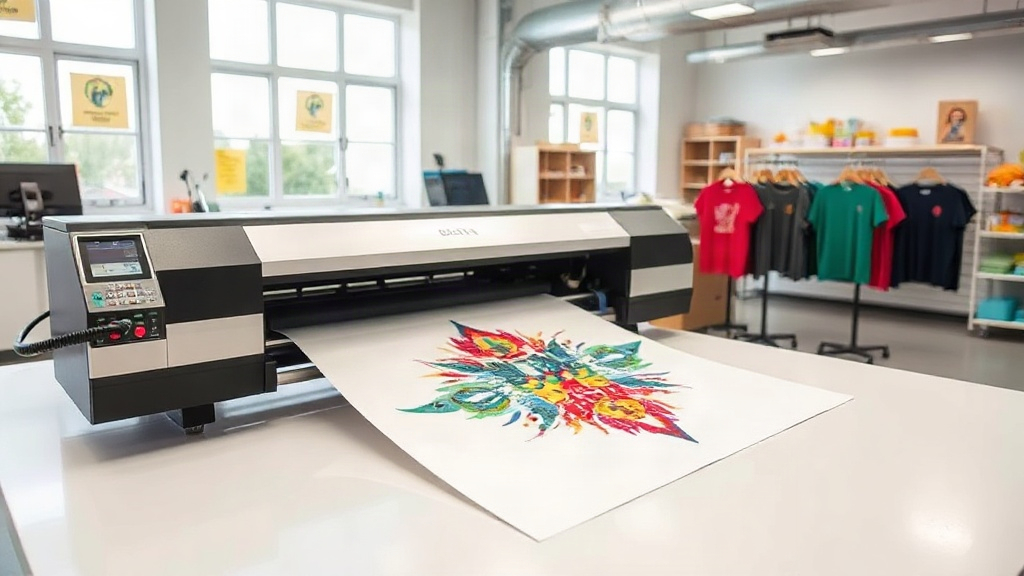
When you want to create custom t-shirts, hoodies, or tote bags, the printing method you choose can make or break the final product. Among the many options, DTF printing has quickly become a favorite for both beginners and professionals. But what exactly is DTF, and why is it taking the custom apparel world by storm? In this guide, we'll dive deep into DTF printing, from its origins to practical tips for getting started.
DTF stands for Direct to Film. It's a printing technique where your design is printed onto a special film, then transferred to fabric using a heat press. Unlike other methods, DTF doesn't require pretreating the fabric or using special inks. It works on a wide range of materials, including cotton, polyester, and blends. That versatility is one reason why DTF has become so popular.
What Is DTF Printing?
DTF printing is a digital printing process that involves printing a design onto a PET film using water-based inks. The design is then coated with a hot-melt adhesive powder, which allows it to bond to fabric when heat-pressed. The film is typically printed with a CMYK+W ink set, meaning it can produce vibrant colors on both light and dark garments. Because the adhesive is applied separately, DTF transfers can be stored for months and used as needed, making them ideal for on-demand production.
The process was developed as an alternative to DTG (Direct to Garment) and screen printing. While DTG works best on 100% cotton and requires pretreatment, DTF eliminates those steps. Screen printing, on the other hand, is cost-effective for large orders but not for small batches. DTF fills the gap by offering low minimums, quick turnaround, and high-quality results.
How Does DTF Printing Work?
Understanding the DTF workflow helps you appreciate its simplicity. Here's a step-by-step breakdown:
- Design Preparation: Create your artwork in a graphics program and mirror it horizontally. This is crucial because the film will be flipped when pressed.
- Printing: Load the PET film into a DTF printer. The printer lays down white ink first (for opacity on dark fabrics), then CMYK colors. Some printers also use a varnish layer for added durability.
- Powdering: While the ink is still wet, the film passes through a powdering unit that applies hot-melt adhesive powder. Excess powder is shaken off.
- Curing: The film goes through a curing oven or heat press to melt the powder, creating a smooth, dry transfer.
- Transfer: Place the film on your garment and press with a heat press at around 160°C (320°F) for 15-20 seconds. Peel the film off while it's hot or cold, depending on the film type.
Each step is straightforward, but attention to detail matters. For instance, using the wrong powder or incorrect curing temperature can lead to washes out or poor adhesion. That's why many professionals invest in quality equipment and materials.
Why Choose DTF for Custom Apparel?
There are several compelling reasons to consider DTF for your next project:
- Versatility: Works on cotton, polyester, blends, and even some non-fabric surfaces like canvas and leather.
- No Pretreatment: Saves time and money compared to DTG, which requires pretreating dark garments.
- Vibrant Colors: The white ink base allows for bright, opaque prints on dark backgrounds.
- Durability: When applied correctly, DTF transfers withstand dozens of washes without fading or cracking.
- Cost-Effective for Small Runs: No minimum order quantity, making it perfect for one-off designs or small businesses.
- Storage: Unused transfers can be stored for months, so you can print on demand.
These benefits have made DTF a go-to method for Etsy sellers, small apparel brands, and even large companies looking for quick prototypes.
DTF vs. Other Printing Methods
How does DTF stack up against DTG, screen printing, and vinyl? Let's compare.
DTF vs. DTG
DTG prints directly onto the garment, which means no transfer film. It's excellent for detailed, photographic designs on 100% cotton. However, DTG requires pretreatment for dark shirts and can be slower. DTF is faster, works on more fabrics, and doesn't need pretreatment. The main downside of DTF is the slight hand feel (the transfer adds a thin layer), but many find it acceptable.
DTF vs. Screen Printing
Screen printing is king for large orders, offering lower cost per unit and a soft feel. But it requires separate screens for each color, making small runs expensive. DTF excels in small batches and full-color designs without setup fees. For a 10-piece order, DTF is usually more economical.
DTF vs. Vinyl
Heat transfer vinyl (HTV) is great for simple text and single-color logos. It's easy to use with a cutting machine. However, multi-color designs require layering, which is time-consuming. DTF can print complex, multi-color designs in one go, saving labor.
Getting Started with DTF Printing
If you're ready to try DTF, here's what you'll need:
- DTF Printer: Options range from entry-level models to industrial machines. Look for one with white ink circulation to prevent clogging.
- PET Film: Choose film suited for your printer and desired finish (matte or glossy).
- Hot-Melt Powder: Available in fine or coarse grades. Fine powder is better for detailed designs.
- Heat Press: A reliable heat press with even pressure is essential.
- Curing Oven: Optional but recommended for consistent results.
Start with a small setup to learn the ropes. Many suppliers offer starter kits that include everything you need. Practice on scrap fabric before moving to final garments.
Tips for Perfect DTF Transfers
To get professional results, keep these tips in mind:
- Mirror Your Design: Always flip the image horizontally before printing.
- Control Moisture: Store film and powder in a dry environment to prevent clumping.
- Test Your Press: Every heat press varies. Use a temperature gun to verify settings.
- Peel at the Right Temperature: Some films require hot peel, others cold. Follow the manufacturer's instructions.
- Wash Inside Out: Advise customers to wash garments inside out in cold water and avoid direct ironing on the print.
These small details can significantly extend the life of your DTF prints.
Common DTF Challenges and Solutions
Even with the best equipment, you might encounter issues. Here are some common problems and how to fix them:
- Clogged Printheads: Regular maintenance and daily printing prevent clogs. Use cleaning cartridges if needed.
- Poor Adhesion: Ensure the powder is fully cured and the press pressure is adequate.
- Color Fading: Use high-quality inks and store transfers away from sunlight.
- Film Jam: Check printer settings and film thickness. Adjust as needed.
With a bit of troubleshooting, you can overcome these hurdles.
Frequently Asked Questions About DTF Printing
What fabrics can I use with DTF printing?
DTF works on a wide range of fabrics, including cotton, polyester, nylon, and blends. It also adheres to leather and canvas, making it versatile for various products.
How long do DTF transfers last?
When applied correctly, DTF transfers can last 50+ washes. Proper washing (inside out, cold water) helps maintain the print's vibrancy.
Can I use DTF on dark garments?
Absolutely. The white ink layer in DTF printing provides a bright base, so colors pop on dark fabrics.
Do I need a special printer for DTF?
Yes, you need a DTF printer that supports white ink and has a powder application unit. However, some modified inkjet printers can be converted.
Is DTF printing cost-effective for small businesses?
Yes, DTF is ideal for small runs because there are no minimums and the cost per print is reasonable. It allows you to offer custom products without large inventory.
With its flexibility and ease of use, DTF printing is a valuable addition to any custom apparel business. Whether you're a hobbyist or a pro, mastering DTF can open up new creative and revenue opportunities.