
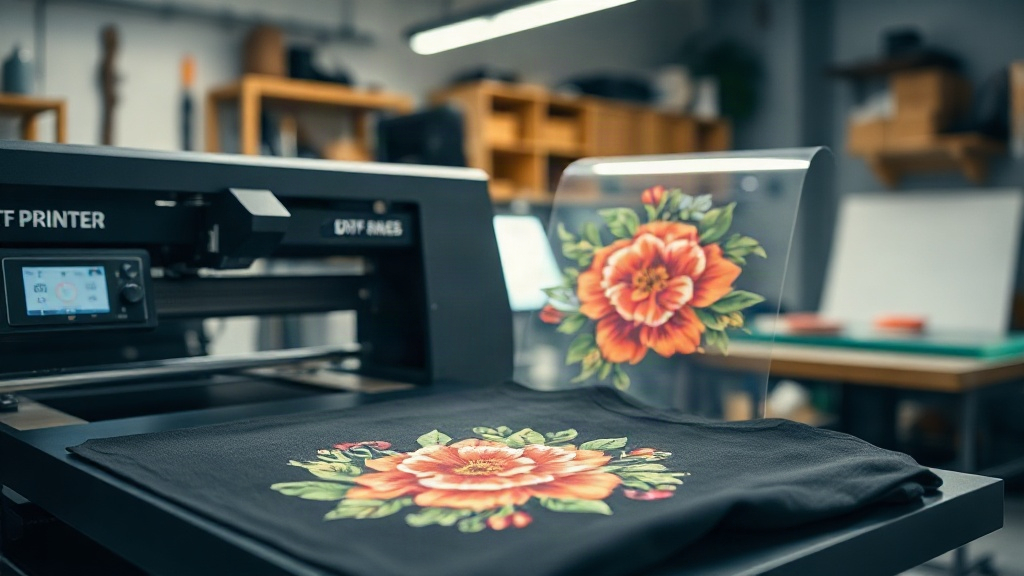
Imagine offering your customers custom t-shirts with intricate, full-color designs that feel as soft as they look vibrant, without the hassle of screen setup or color limitations. That's the promise of DTF printing, a technology that's rapidly become a game-changer for print on demand sellers. Whether you're a seasoned POD veteran or just starting, understanding DTF can open up new creative and profitable avenues.
What is DTF Printing?
DTF stands for Direct to Film. It's a printing method where your design is printed onto a special PET film using water-based pigments, then coated with a hot-melt adhesive powder. The film is cured, and later heat-pressed onto the fabric. Unlike DTG (Direct to Garment), which prints directly onto the garment, DTF transfers allow for printing on a wider range of materials, including cotton, polyester, blends, and even nylon and leather. This versatility is a major reason why POD sellers are embracing DTF.
The DTF Process Step by Step
To get consistent results, follow these steps:
- Design Preparation: Create your artwork in CMYK color mode, mirror it horizontally, and ensure high resolution (300 DPI). White ink layer is automatically generated for opacity.
- Printing: Use a DTF printer with specialized inks. The printer lays down color and white ink onto the film.
- Powdering: While the ink is wet, apply hot-melt adhesive powder evenly over the print. Shake off excess.
- Curing: Place the film in a curing oven or under a heat press (without pressure) at around 160°C (320°F) for 2-3 minutes until the powder melts and becomes glossy.
- Transfer: Set your heat press to 160°C (320°F) with medium pressure. Press the film onto the garment for 10-15 seconds. Peel the film off while hot or cold, depending on the film type.
Each step requires attention to detail, but once mastered, the process is efficient and scalable.
Why DTF is a Game-Changer for Print on Demand
Print on demand is all about flexibility and low risk. DTF fits perfectly into that model. Here's why:
- No color limitations: Unlike screen printing, DTF can reproduce photorealistic images and gradients without extra cost.
- Works on multiple fabrics: You're not limited to 100% cotton. Polyester, blends, and even dark colors are no problem.
- No minimums: You can print one-off designs, perfect for POD.
- Durability: When applied correctly, DTF prints withstand dozens of washes without fading or cracking.
- Soft feel: The prints are thin and flexible, not rubbery like some vinyl transfers.
These advantages mean you can offer a wider product range and higher quality, which can set your shop apart.
DTF vs. Other Printing Methods
How does DTF stack up against DTG, screen printing, and vinyl?
- DTG: Best for 100% cotton, but colors can be less vibrant on dark shirts and require pre-treatment. DTF excels on dark and synthetic fabrics.
- Screen Printing: Cost-effective for bulk orders but has setup costs and color limits. DTF is better for small batches and complex designs.
- Vinyl: Great for simple text and shapes, but not for detailed images. DTF handles fine details with ease.
For POD sellers, DTF often hits the sweet spot of quality, versatility, and cost.
Getting Started with DTF in Your POD Business
Ready to dive in? Here's what you need:
- DTF Printer: Options range from entry-level to industrial. Look for one with good color management and white ink circulation.
- Inks and Film: Use quality supplies to avoid clogs and poor adhesion.
- Powder and Curing: A shaker machine and curing oven streamline the process.
- Heat Press: A reliable heat press with even pressure and temperature control is crucial.
- Software: RIP software helps manage color and white ink layers.
Start with a small setup and scale as you grow. Many suppliers offer starter kits.
Tips for Flawless DTF Transfers
Even with the right equipment, technique matters. Keep these tips in mind:
- Pre-press the garment to remove moisture and wrinkles.
- Use the correct pressure: too much can cause ink to spread; too little leads to poor adhesion.
- Test peel type (hot vs. cold) with a sample before production.
- Store unused film in a cool, dry place to prevent powder from absorbing moisture.
- Wash garments inside out in cold water and avoid fabric softener to extend print life.
These small details can make a big difference in customer satisfaction.
Common Challenges and How to Overcome Them
Like any technology, DTF has its quirks. Here are common issues and solutions:
- Clogged printheads: Regular cleaning and using good ink prevent this.
- Poor adhesion: Ensure proper powder application and curing.
- Color inconsistency: Calibrate your printer and use ICC profiles.
- Film curling: Store film flat and avoid humidity.
With a bit of troubleshooting, you'll achieve consistent results.
Frequently Asked Questions about DTF Printing
What fabrics can I use with DTF printing?
DTF works on a wide range of fabrics, including cotton, polyester, cotton-poly blends, nylon, leather, and even some treated synthetics. It's one of the most versatile transfer methods available.
How durable is a DTF print?
When applied correctly, DTF prints can last as long as the garment. They withstand repeated washing without cracking or fading, though following care instructions is important.
Do I need special software for DTF printing?
While not strictly required, RIP software helps manage color profiles and white ink layers, ensuring accurate and vibrant prints. Many printers come with recommended software.
Can I use DTF for small orders or one-offs?
Absolutely. DTF has no minimum order quantity, making it ideal for print on demand and small batch production.
Is DTF printing cost-effective for POD?
Yes, especially for designs with many colors. The cost per print is relatively low, and you only produce what you sell, reducing inventory risk.
DTF printing is more than a trend; it's a robust tool that can help your print on demand business thrive. By understanding the process and leveraging its strengths, you can offer customers high-quality, custom apparel that stands out. Embrace DTF and watch your creative possibilities expand.