
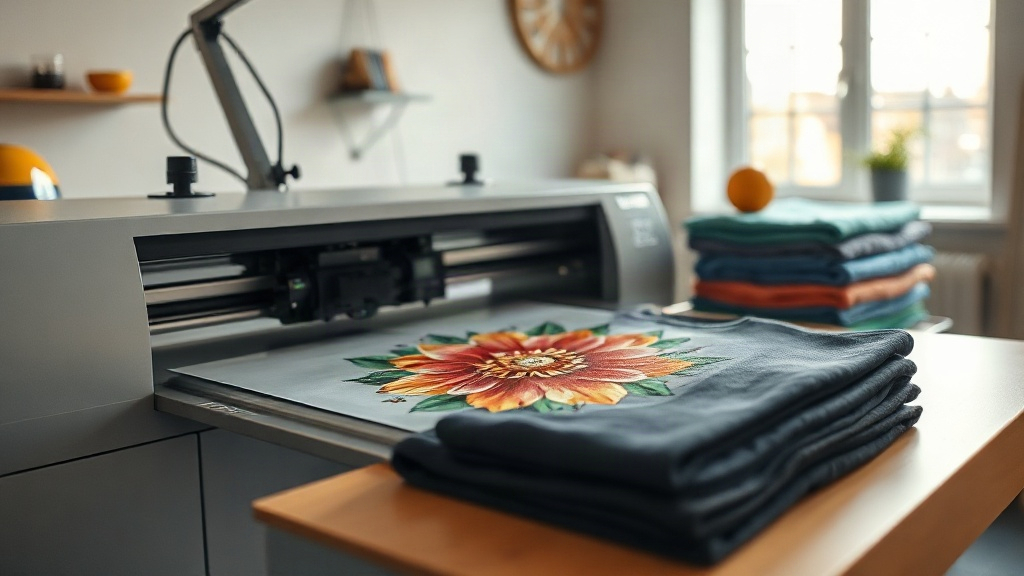
If you're in the print on demand (POD) business, you've likely heard about DTF printing. It's one of the hottest trends in garment decoration, and for good reason. Unlike traditional methods that require specific fabrics or minimum orders, DTF (Direct to Film) printing offers unmatched versatility, vibrant colors, and durability. Whether you're a seasoned seller or just starting out, understanding DTF printing can open up new opportunities for your POD store. In this guide, we'll dive deep into what DTF printing is, how it works, and why it might be the perfect addition to your production toolkit.
What is DTF Printing?
DTF printing stands for Direct to Film. It's a digital printing method where your design is printed onto a special film, coated with adhesive powder, and then heat-pressed onto the fabric. The result is a soft, stretchable, and highly durable print that can be applied to almost any material, including cotton, polyester, blends, and even leather. This versatility sets DTF apart from other techniques like DTG (Direct to Garment) or screen printing, which often have limitations on fabric type or color.
How DTF Printing Works: Step by Step
The DTF process involves several key steps:
- Design Preparation: Your artwork is prepared in a graphics program, ensuring it's mirrored and sized correctly.
- Printing: The design is printed onto a PET film using specialized DTF inks and a printer equipped with a white ink channel.
- Powdering: While the ink is still wet, a hot-melt adhesive powder is applied evenly over the print.
- Curing: The film is heated to melt the powder, creating a adhesive layer that will bond with the fabric.
- Heat Pressing: The film is placed on the garment and pressed with a heat press at specific temperature and pressure.
- Peeling: After pressing, the film is peeled off (hot or cold peel depending on the film), leaving the design adhered to the fabric.
Each step requires precision, but once mastered, DTF printing becomes a fast and reliable production method.
Why DTF Printing is a Game-Changer for Print on Demand
Print on demand sellers face unique challenges: they need to produce high-quality items quickly, with no minimum orders, and often with varied fabric types. DTF printing addresses these challenges head-on. Here's why it's a game-changer:
- No Fabric Restrictions: Unlike DTG, which works best on 100% cotton, DTF adheres to cotton, polyester, blends, and even treated nylon. This means you can offer designs on a wider range of products.
- No Color Limitations: DTF can print vibrant colors, gradients, and fine details without the need for multiple screens or color separations. It's perfect for complex artwork.
- No Minimum Orders: You can print one-off designs or small batches economically, which is ideal for POD.
- Durability: DTF prints are known for their stretchability and resistance to cracking, peeling, and fading, even after multiple washes.
- Cost-Effective: With DTF, you eliminate the need for expensive setup fees, screens, or plates. The cost per print is low, especially for small runs.
Comparing DTF to Other Printing Methods
To appreciate DTF, it helps to see how it stacks up against other popular methods:
- DTG (Direct to Garment): Great for cotton, but limited on polyester and dark colors. Requires pretreatment, which adds time and cost.
- Screen Printing: Cost-effective for large orders, but expensive for small batches due to screen setup. Limited color options per screen.
- Heat Transfer Vinyl (HTV): Good for simple designs, but not suitable for complex, multi-color images.
- Sublimation: Only works on polyester and requires white fabric for vibrant colors.
DTF combines the best of these methods: it works on almost any fabric, handles complex designs, and is cost-effective for small batches. It's no wonder many POD sellers are switching to DTF.
Getting Started with DTF Printing in Your POD Business
If you're convinced that DTF printing is right for you, here's how to get started:
1. Choose the Right Equipment
You'll need a DTF printer, which is typically a modified inkjet printer with white ink capabilities. Popular brands include Epson and Ricoh. You'll also need DTF film, adhesive powder, and a heat press. For beginners, a starter kit can be a good investment. Alternatively, you can outsource printing to a DTF service if you're not ready to invest in equipment.
2. Master the Software
Your design software (like Photoshop or Illustrator) is crucial. You'll need to prepare your artwork with correct color profiles (CMYK and white layer) and ensure it's mirrored. Many DTF printers come with RIP software that handles color management and white layer generation.
3. Perfect Your Heat Press Technique
Heat pressing is an art. Temperature, pressure, and time vary depending on the fabric and film. Typically, you'll press at 300-320°F (150-160°C) for 10-15 seconds. Always test with a scrap fabric first. Peeling can be hot or cold; follow the film manufacturer's instructions.
4. Quality Control
Inspect each print for defects like missing ink, powder clumps, or uneven adhesion. A consistent quality control process ensures customer satisfaction and reduces returns.
Common Challenges and How to Overcome Them
Like any printing method, DTF has its quirks. Here are common issues and solutions:
- Clogged Printheads: White ink tends to settle, so regular maintenance and daily printing are essential. Use cleaning cartridges and follow the printer's maintenance schedule.
- Powder Issues: Uneven powder application can cause poor adhesion. Use a powder shaker for even distribution and shake off excess.
- Adhesion Problems: If the print peels after washing, it could be due to insufficient pressure, wrong temperature, or expired powder. Adjust your heat press settings and store powder in a dry place.
- Color Accuracy: DTF prints can look different on screen vs. on fabric. Invest in a color management tool and create ICC profiles for your printer.
Tips for Maximizing DTF Success in Your POD Store
To thrive with DTF, consider these expert tips:
- Offer Unique Products: Use DTF to print on tote bags, hats, and even shoes. The versatility lets you expand your product line.
- Promote Durability: Market your DTF prints as long-lasting and stretchable, appealing to customers who want quality.
- Streamline Workflow: Batch similar designs to save time. Organize your films and powders for quick access.
- Stay Updated: DTF technology is evolving. Join online communities and follow industry news to learn new techniques.
Frequently Asked Questions About DTF Printing
What fabrics can I use with DTF printing?
DTF printing works on a wide range of fabrics, including cotton, polyester, cotton-poly blends, nylon, leather, and even some treated synthetic materials. It's one of the most versatile printing methods available.
How durable is a DTF print?
When applied correctly, DTF prints are highly durable. They resist cracking, peeling, and fading, and can stretch with the fabric without breaking. Proper washing inside out and avoiding high heat will extend the life of the print.
Do I need a special printer for DTF?
Yes, you need a DTF printer, which is typically a modified inkjet printer with a white ink channel. You can also convert some Epson printers. Alternatively, you can use a DTF printing service if you don't want to invest in equipment.
Is DTF printing cost-effective for small orders?
Absolutely. DTF has no minimum order requirements and no setup fees, making it ideal for print on demand and small batch production. The cost per print is low, especially when compared to screen printing for small runs.
Can I print white ink with DTF?
Yes, DTF printers have a white ink channel, allowing you to print white underbase for vibrant colors on dark fabrics. This is a major advantage over DTG, which often struggles with white ink.
Final Thoughts
DTF printing is revolutionizing the print on demand industry. Its versatility, durability, and cost-effectiveness make it an attractive option for sellers looking to expand their product offerings and streamline production. While there is a learning curve, the investment in time and equipment can pay off significantly. Whether you're printing t-shirts, hoodies, or accessories, DTF gives you the freedom to create without limitations. So why not give it a try? Your customers will love the quality, and you'll love the flexibility.