
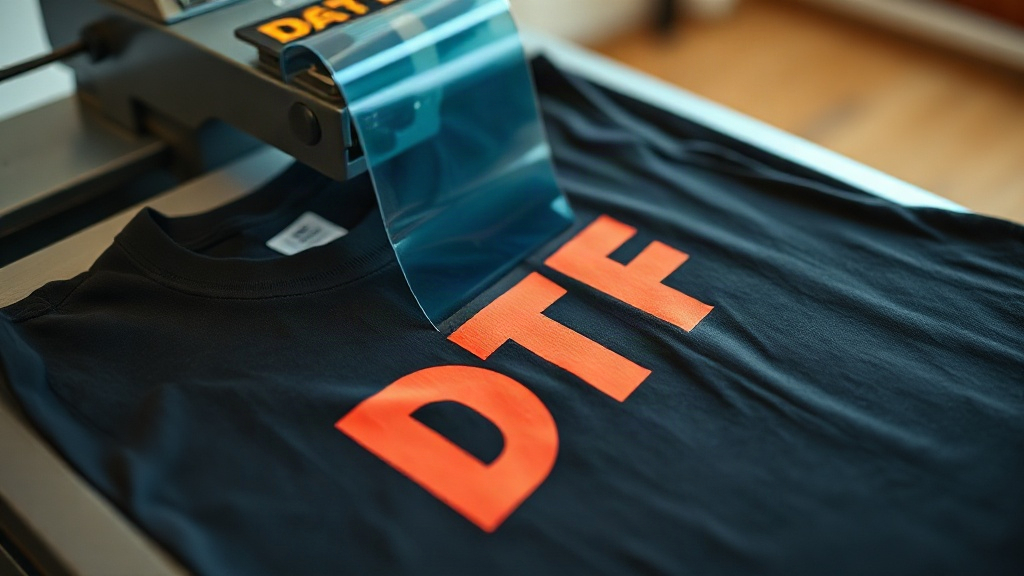
When it comes to custom apparel printing, DTF transfers have quickly become a game-changer for businesses and hobbyists alike. Unlike traditional methods that require weeding or specialized equipment, DTF transfers offer a streamlined, versatile solution that delivers vibrant, long-lasting results on almost any fabric. Whether you're running a small print shop or just starting out, understanding DTF transfers can open up new possibilities for your custom designs.
What Are DTF Transfers?
DTF stands for Direct to Film. It's a printing technology where your design is printed onto a special film, coated with a adhesive powder, and then heat-pressed onto the fabric. The process eliminates the need for cutting and weeding, making it faster and more efficient than vinyl or sublimation for many applications. DTF transfers work on a wide range of materials, including cotton, polyester, blends, and even nylon, which sets them apart from other methods that require specific fabric types.
Why Choose DTF Transfers for Your Custom Apparel?
If you're in the custom apparel business, you're always looking for ways to stand out and deliver high-quality products. DTF transfers offer several advantages that make them a smart choice.
1. Unmatched Versatility
DTF transfers adhere beautifully to both light and dark fabrics, and they don't require pre-treatment. This means you can print on a wide variety of garments without worrying about color limitations or fabric compatibility. From 100% cotton t-shirts to polyester athletic wear, DTF transfers handle it all with ease.
2. Vibrant, Detailed Prints
Because DTF transfers use a CMYK + White ink system, they produce incredibly detailed and colorful designs. Fine lines, gradients, and photographic images come out sharp and vivid. The white ink layer ensures that colors pop even on dark backgrounds, giving your prints a professional finish.
3. Durability and Washability
When applied correctly, DTF transfers are highly durable. They resist cracking, peeling, and fading, even after multiple washes. This makes them ideal for items that will see frequent use, like team uniforms, promotional apparel, and retail merchandise.
4. Cost-Effective for Short Runs
Unlike screen printing, which requires setup costs and minimum order quantities, DTF transfers are cost-effective for small batches and one-off items. You can print a single design or a hundred without breaking the bank. This makes them perfect for personalized gifts, sample orders, and small businesses testing new designs.
How to Apply DTF Transfers: Step-by-Step
Applying DTF transfers is straightforward, but following the right steps ensures a flawless result. Here's a simple guide to get you started.
- Preheat your heat press: Set the temperature to around 300°F to 325°F (150°C to 160°C).
- Pre-press the garment: This removes moisture and wrinkles, creating a smooth surface for the transfer.
- Position the transfer: Place the DTF transfer on the garment with the printed side facing up.
- Press: Apply medium to firm pressure for 10-15 seconds.
- Peel: Wait a few seconds for the transfer to cool slightly, then peel off the film. For a matte finish, peel while hot; for a glossy finish, peel when cold.
- Post-press (optional): For extra durability, cover with parchment paper and press again for 5-10 seconds.
Tips for Best Results
- Always test on a scrap piece of fabric first to dial in your settings.
- Ensure your heat press is calibrated for accurate temperature and pressure.
- Store unused DTF transfers in a cool, dry place to prevent the powder from absorbing moisture.
Common Mistakes to Avoid with DTF Transfers
Even though DTF transfers are forgiving, a few common pitfalls can ruin your results. Avoid these mistakes to ensure success every time.
Incorrect Temperature or Pressure
Too little heat or pressure means the transfer won't adhere properly, leading to peeling. Too much heat can scorch the fabric or cause the transfer to become brittle. Always follow the recommended settings and adjust based on your specific heat press.
Peeling Too Soon or Too Late
The timing of the peel affects the final texture and adhesion. Peeling too soon can stretch the design, while waiting too long can make it difficult to remove the film. Practice on a test piece to find the sweet spot.
Not Pre-Pressing the Garment
Skipping the pre-press can leave moisture in the fabric, which turns to steam during application and prevents proper adhesion. Always pre-press for at least 5 seconds.
DTF Transfers vs. Other Printing Methods
How do DTF transfers stack up against other popular techniques? Here's a quick comparison.
- DTF vs. DTG: DTG (Direct to Garment) requires pre-treatment and works best on 100% cotton. DTF works on more fabrics and often has lower startup costs.
- DTF vs. Screen Printing: Screen printing is cost-effective for large orders but has setup fees. DTF is better for small runs and detailed designs.
- DTF vs. Vinyl: Vinyl requires weeding and layering, which is time-consuming. DTF is a single-step process with no weeding.
- DTF vs. Sublimation: Sublimation only works on light-colored polyester. DTF works on dark colors and cotton blends.
Frequently Asked Questions About DTF Transfers
Can I use DTF transfers on any fabric?
DTF transfers work on a wide range of fabrics, including cotton, polyester, blends, nylon, and even leather. However, fabrics with a rough texture or heavy coatings may not yield the best results. For best adhesion, stick to smooth, clean surfaces.
How long do DTF transfers last?
With proper application and care, DTF transfers can last as long as the garment itself. They resist cracking and fading through dozens of washes. To extend their life, wash the garment inside out in cold water and avoid using bleach or fabric softeners.
Do I need a special printer for DTF transfers?
Yes, DTF printing requires a dedicated DTF printer that uses DTF inks and film. However, you can also purchase pre-printed DTF transfers from suppliers and apply them with a standard heat press. This is a great option if you want to offer DTF without investing in a printer.
What is the best way to store DTF transfers?
Store DTF transfers in a cool, dry place, away from direct sunlight and moisture. Keep them in a sealed bag or container to prevent the adhesive powder from clumping. Properly stored transfers can last for several months.
Can I layer DTF transfers?
Yes, you can layer DTF transfers to create multi-color designs. Apply the first transfer, then position the second on top and press again. Just be careful not to over-press, as too much heat can degrade the colors.
DTF transfers are revolutionizing the custom apparel industry with their versatility, durability, and ease of use. Whether you're a seasoned pro or just starting, incorporating DTF transfers into your workflow can help you deliver stunning results that keep customers coming back. Give them a try and see the difference for yourself.