
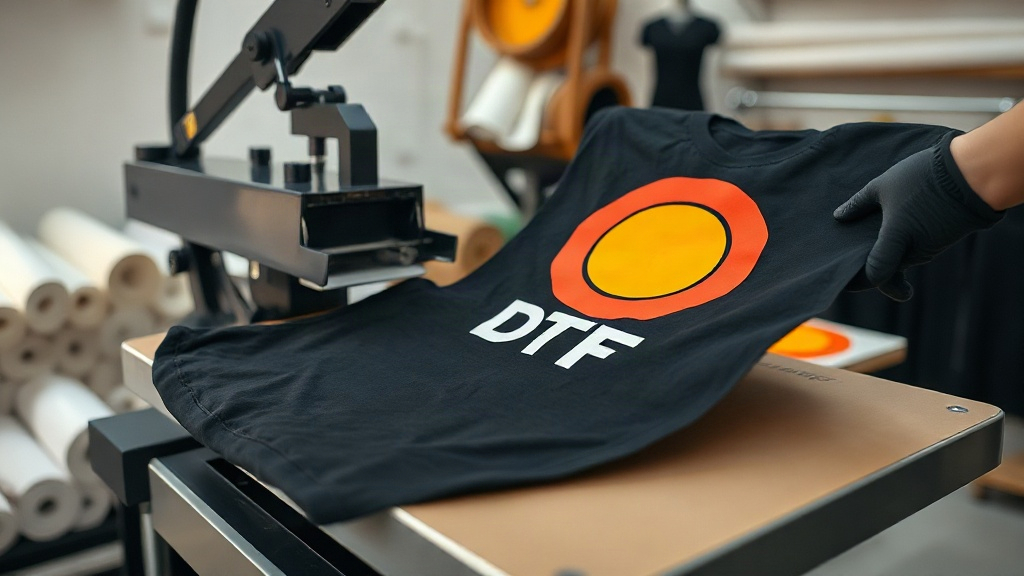
When it comes to custom apparel, DTF transfers have quickly become a game-changer for both hobbyists and professional printers. Unlike traditional methods that limit you to certain fabrics or require complex setups, DTF transfers open up a world of possibilities. Whether you're printing on cotton, polyester, or blends, these transfers deliver eye-catching results that last. In this guide, we'll dive deep into what DTF transfers are, how they work, and why they might be the perfect solution for your next project.
What Are DTF Transfers?
DTF stands for Direct to Film. It's a printing technology where your design is printed onto a special film, coated with a powder adhesive, and then heat-pressed onto the fabric. The result is a soft, stretchable print that bonds permanently with the material. Unlike DTG (Direct to Garment) or screen printing, DTF transfers don't require pre-treatment or specific fabric types. This versatility makes them ideal for small businesses, custom gift creators, and anyone looking to add a personal touch to apparel.
How DTF Transfers Work: A Step-by-Step Breakdown
Understanding the process helps you appreciate the magic behind DTF transfers. Here's what happens from design to finished product:
- Design Preparation: Your artwork is prepared digitally, ensuring it's mirrored and sized correctly.
- Printing: A specialized DTF printer lays down CMYK inks and white ink onto a PET film. The white ink acts as a base, allowing the colors to pop on any fabric color.
- Powdering: While the ink is still wet, a hot-melt adhesive powder is applied evenly over the print.
- Curing: The film passes through a heat source to melt the powder, creating a dry, tacky surface.
- Transfer: The film is placed on the fabric and heat-pressed. The adhesive bonds with the fibers, and the film is peeled away (hot or cold peel, depending on the film).
The entire process can be done in-house with the right equipment, giving you full control over quality and turnaround time.
Why Choose DTF Transfers Over Other Printing Methods?
If you're comparing printing options, DTF transfers stand out for several reasons:
- Fabric Freedom: Works on cotton, polyester, nylon, leather, and more. No need for different inks or pre-treatment.
- Vibrant Colors: The white ink base ensures colors remain bright even on dark garments.
- Durability: Prints resist cracking, peeling, and fading after multiple washes.
- Cost-Effective for Short Runs: No setup fees or minimums, making them perfect for one-offs or small batches.
- Soft Feel: The transfer is thin and flexible, so it doesn't feel like a heavy patch.
While DTG is great for 100% cotton and screen printing excels at bulk orders, DTF transfers fill the gap for versatility and small-scale production.
Applications of DTF Transfers
From custom t-shirts to corporate uniforms, DTF transfers are used in a variety of settings. Here are some popular applications:
- Custom Apparel: T-shirts, hoodies, jeans, and activewear.
- Promotional Items: Tote bags, hats, and aprons.
- Sports Teams: Jerseys and fan gear with names and numbers.
- Personal Gifts: Personalized items for birthdays, weddings, and holidays.
The possibilities are nearly endless, limited only by your imagination.
Tips for Getting the Best Results with DTF Transfers
To ensure your DTF transfers look professional and last long, follow these expert tips:
- Choose Quality Film: Not all DTF films are created equal. Invest in reputable brands that offer consistent performance.
- Control Moisture: Fabric should be dry before pressing. Moisture can cause adhesion issues.
- Adjust Pressure and Temperature: Follow the film manufacturer's recommendations. Typically, 325°F for 15-20 seconds with medium pressure works well.
- Peel at the Right Time: Some films require hot peel, others cold. Check the instructions.
- Wash Inside Out: To prolong the life of the print, wash garments inside out in cold water and avoid harsh detergents.
These small details make a big difference in the final product.
Common Challenges and How to Overcome Them
Even with the best practices, you might encounter issues. Here are solutions to common problems:
- Adhesion Problems: Ensure fabric is clean and dry. Increase pressure or temperature slightly.
- Color Fading: Use high-quality inks and films. Avoid over-stretching the print.
- Cracking: This often happens if the transfer is stretched too much. Use a stretchable transfer and press properly.
- Ghosting: This occurs when the film shifts during pressing. Use heat-resistant tape to secure it.
With a bit of practice, you'll master these nuances and produce flawless results every time.
DTF Transfers vs. Other Methods: A Quick Comparison
Let's break down how DTF compares to DTG and screen printing:
- DTF: Best for small batches, any fabric, vibrant colors, soft feel.
- DTG: Best for 100% cotton, detailed designs, but requires pre-treatment and can be less durable.
- Screen Printing: Best for large orders, bold designs, but high setup costs and limited to certain fabrics.
DTF transfers offer a sweet spot for those who need flexibility without sacrificing quality.
Frequently Asked Questions About DTF Transfers
How long do DTF transfers last?
With proper care, DTF transfers can last as long as the garment itself. They resist fading and cracking for 50+ washes if washed inside out in cold water and tumble dried low.
Can I use DTF transfers on dark colors?
Absolutely! The white ink base in DTF transfers ensures that colors remain vibrant even on black or navy fabrics. This is one of the biggest advantages over other methods.
Do I need a special printer for DTF transfers?
Yes, you need a DTF printer that uses DTF inks and films. However, you can also buy pre-printed DTF transfers from suppliers if you don't want to invest in equipment.
What fabrics work best with DTF transfers?
DTF transfers work on almost any fabric, including cotton, polyester, blends, nylon, and even leather. The key is to follow the pressing instructions for the specific film.
Is DTF printing cost-effective for small businesses?
Yes, especially for short runs. There are no minimum orders or setup fees, and the cost per transfer is reasonable. It's a great option for startups and custom shops.
DTF transfers are a powerful tool in the world of custom apparel. With their versatility, durability, and vibrant results, they're worth considering for your next project. Whether you're a seasoned pro or just starting out, mastering DTF transfers can elevate your creations and delight your customers.